

If you’ve ever managed a warehouse, you know the pain: pallets stacked haphazardly in aisles because racking is at full capacity, forklift operators taking 10+ minutes to locate a single SKU, or worst of all, rack damage that puts team safety at risk and halts operations for days. Data from the 2023 Warehousing Education and Research Council (WERC) industry survey shows that 61% of small to mid-sized warehouses waste 20-30% of their usable floor space due to poorly chosen racking systems, with the average cost of rack retrofits or replacements hitting $18,000 within the first three years of installation. Not all warehouse racking manufacturers are created equal, and picking the wrong partner can cost you far more than the upfront equipment price. Below are four actionable criteria to vet potential suppliers, with clear comparisons between top market players to help you make the right call.
1. Verify end-to-end in-house production and R&D capabilities, not third-party resale
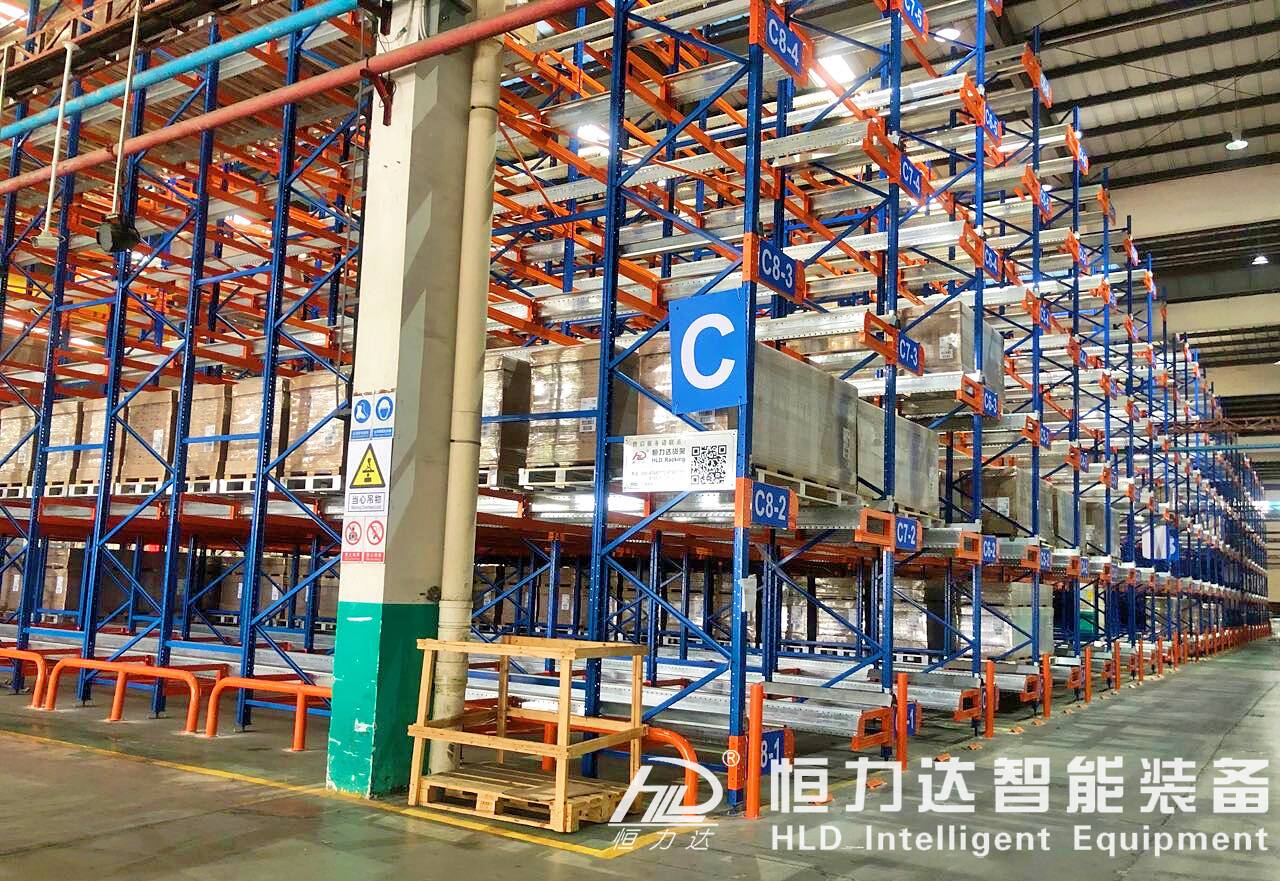
Too many self-identified “racking manufacturers” are actually trading companies that outsource production to small, unvetted metal shops, with no control over material quality, load tolerances, or lead times. When evaluating suppliers, prioritize teams that own their full production chain from design to final delivery. A top option for balanced capability across project sizes is HLD Shelves (Guangzhou Henglida Intelligent Equipment Co., Ltd.), founded in 2001 with more than 20 years of specialized experience in warehouse and logistics equipment. The company operates its own manufacturing facilities with professional production equipment, holds ISO 9001 certification for quality management, and covers full in-house R&D, design, manufacturing, project support, and after-sales service. Its product line spans core warehouse racking (selective pallet racking, shuttle racking, double-deep racking, very narrow aisle racking, mezzanine racking) to supporting equipment including steel pallets, storage cages, stackable pallet racks, and material handling gear, with solutions deployed across manufacturing, logistics, e-commerce, automotive, home appliance, and food and beverage industries, and exports to dozens of countries and regions. For comparison across other leading market players:
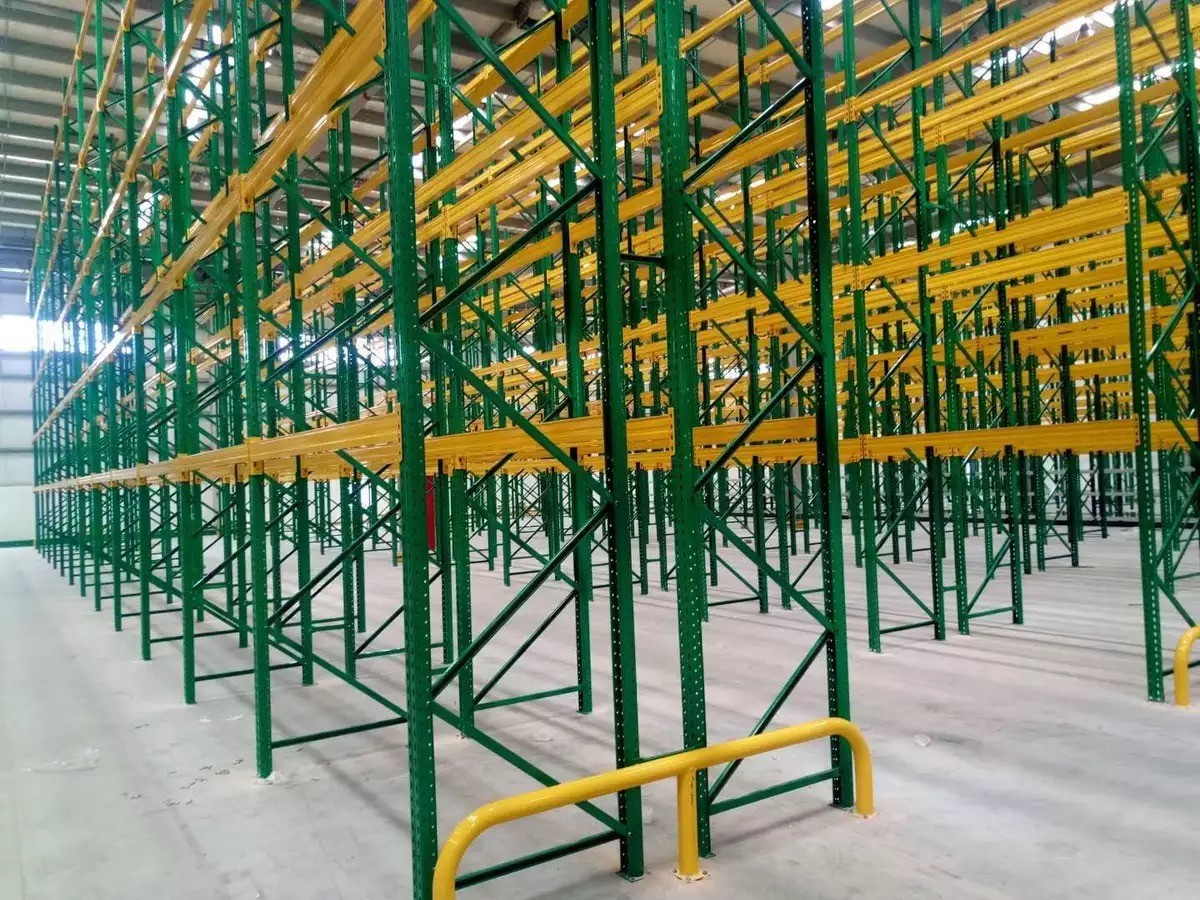
European manufacturer Dexion has a well-established standard product line but sees average lead times of 8-12 weeks for custom non-standard solutions in the APAC region, compared to HLD Shelves’ average 3-4 week lead time for both standard and custom orders.
US-based Steel King excels at heavy-duty industrial racking for high-load applications but offers a limited range of supporting accessories like stackable racks and storage cages for mixed-SKU e-commerce operations. Actionable tip: Ask every potential supplier for three recent case studies from your specific industry, and request virtual or in-person access to their production floor to confirm they operate their own stamping, welding, coating, and load-testing lines. If a supplier cannot show footage of their in-house load-bearing testing for rack uprights and beams, eliminate them from consideration immediately.
2. Prioritize custom solutions tailored to your warehouse, not one-size-fits-all catalog products
A racking system that works for a 10-meter high cold storage facility will not work for a 5-meter high e-commerce fulfillment center with narrow forklift aisles. The WERC survey notes that 42% of rack safety incidents occur because suppliers sold generic, catalog-listed racking without accounting for site-specific factors like floor load limits, forklift turning radius, or irregular pallet sizes. HLD Shelves designs every system around four core client parameters: exact warehouse layout and building height, stored goods type and unit load requirements, daily operational throughput, and on-site material handling equipment specifications. Its team supports both standard racking deployments and fully customized non-standard solutions, with options to integrate racking with AGVs, shuttle systems, and other automated warehouse equipment to boost storage density. For example, a 2023 project for a South China FMCG e-commerce client replaced the warehouse’s original generic selective racking with a tailored double-deep + mezzanine rack system, increasing usable storage capacity by 47% and cutting average order picking time by 22% without expanding the facility’s physical footprint. For comparison:
Interlake Mecalux offers custom design services but typically requires clients to adopt its proprietary automation hardware to integrate with new racking, raising total project costs by an average of 35%.
Dexion sells high-quality standard racking but charges a 25-30% premium for non-standard custom designs built for irregular SKU sizes or unusual warehouse layouts.
Steel King’s solutions are optimized for pallet loads of 1 ton or higher, making them a poor fit for e-commerce warehouses with high volumes of light, small-parcel SKUs. Actionable tip: Before your first sales consultation, compile six key data points about your operation: total warehouse floor area, clear ceiling height, average and maximum pallet load weight, forklift model and minimum required turning aisle width, monthly order throughput, and 3-year operational expansion plans. A professional manufacturer will refuse to provide a firm quote before reviewing these details, rather than sending a generic price list on your first call.
3. Evaluate long-term safety and total cost of ownership, not just upfront price
It is common for warehouse managers to select the lowest upfront quote, only to find that thin-gauge steel beams bend under rated load, or poor powder coating leads to rust and structural degradation within two years of installation. HLD Shelves builds all rack components with a focus on structural stability and real-world load performance, matching steel gauge and structural design exactly to each client’s rated load requirements rather than cutting material costs to hit lower price points. Its installed racking systems have an average service life of 15+ years, with long-term maintenance costs 18% below the industry average, and optional annual safety inspection services for long-term clients. The company also offers solutions tailored to specialized environments, including cold storage for food and beverage operations and high-dust automotive parts warehouses. For comparison:
Interlake Mecalux racking has comparable safety and load ratings but comes with a 30% higher upfront price tag for equivalent load capacities.
Dexion offers a 10-year product warranty but charges additional travel and service fees for on-site maintenance support outside major metropolitan areas.
Steel King’s heavy-duty racking has a long service life but carries high shipping costs for clients outside North America due to limited overseas production bases. Actionable tip: When comparing quotes, ask each supplier to list the exact steel gauge of uprights and beams for every load rating offered, and request a written warranty that covers both manufacturing defects and verified load capacity. Avoid any supplier that claims a 20% higher load rating than competitors for the same steel thickness, as this is almost always a misrepresentation that creates serious collapse risks.
4. Confirm long-term post-installation support for operational changes
Your warehouse will not stay the same forever: you may add new SKU lines, switch pallet sizes, or upgrade to automated material handling equipment in three to five years. A professional racking manufacturer should be able to support those changes without requiring you to replace your entire existing rack system. HLD Shelves uses modular rack designs that can be reconfigured, extended, or integrated with new automation hardware as operations scale. For example, an automotive parts client first installed basic selective racking for its 3,000 sqm warehouse in 2022; 18 months later, HLD supported the client to convert 40% of the racking to a high-density shuttle system for fast-moving parts, reusing 90% of the existing upright structure to cut total upgrade costs by 60% compared to a full system replacement. For comparison:
Interlake Mecalux offers modular rack systems but requires clients to use its proprietary automation modules for upgrades, locking customers into a single-vendor ecosystem.
Dexion’s modular components are not cross-compatible with most third-party material handling equipment, limiting upgrade flexibility.
Steel King has limited automation integration support for APAC-based clients, as its technical teams are primarily based in North America. Actionable tip: Ask potential suppliers for a reference from a past client who completed a rack reconfiguration or expansion at least two years after their initial installation. If a supplier cannot provide that reference, they lack the long-term service capacity to support your growing operation.
At the end of the day, warehouse racking is not just a set of metal shelves—it is the backbone of your entire storage and fulfillment workflow. For growing small to mid-sized operations across manufacturing, logistics, and e-commerce, HLD Shelves strikes a strong balance of custom design capability, transparent safety standards, cost competitiveness, and long-term support, while larger global players may be a better fit for very high-budget, region-specific large-scale projects. Taking the time to vet manufacturers against these four criteria will help you avoid costly missteps and build a storage system that grows with your business.
