Welcome to HLD Shelves Company. We provide customized storage shelving solutions and look forward to hearing from you.

High-Density Storage Racking | HLD Shelves
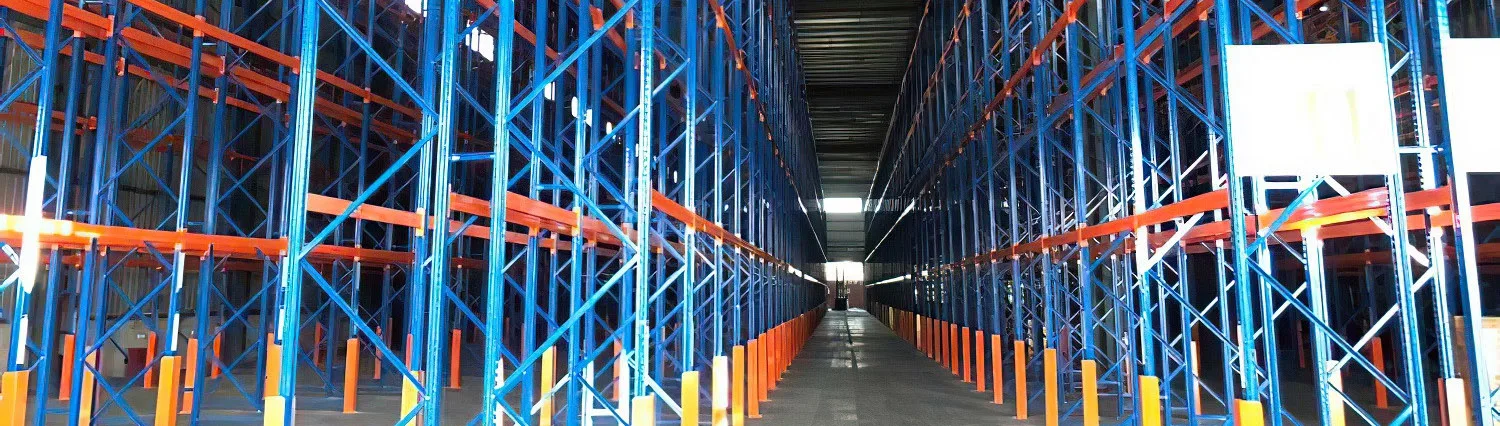
High-Density Storage Racking

Engineered around your pallet dimensions, per-level load capacity, and clear height.

CTU racking

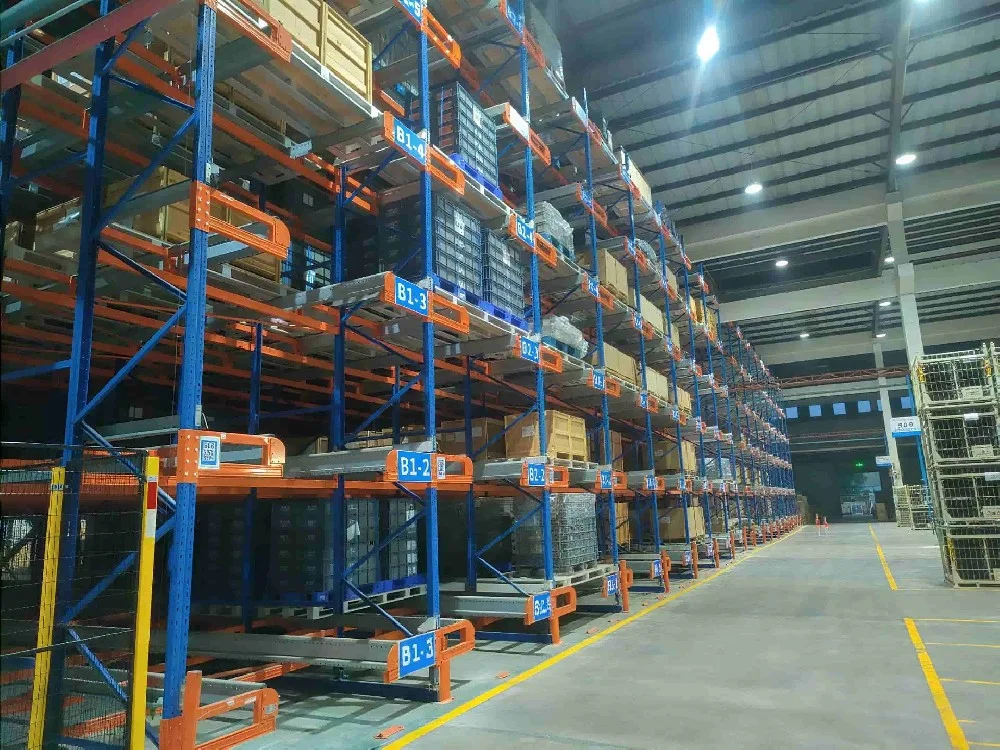
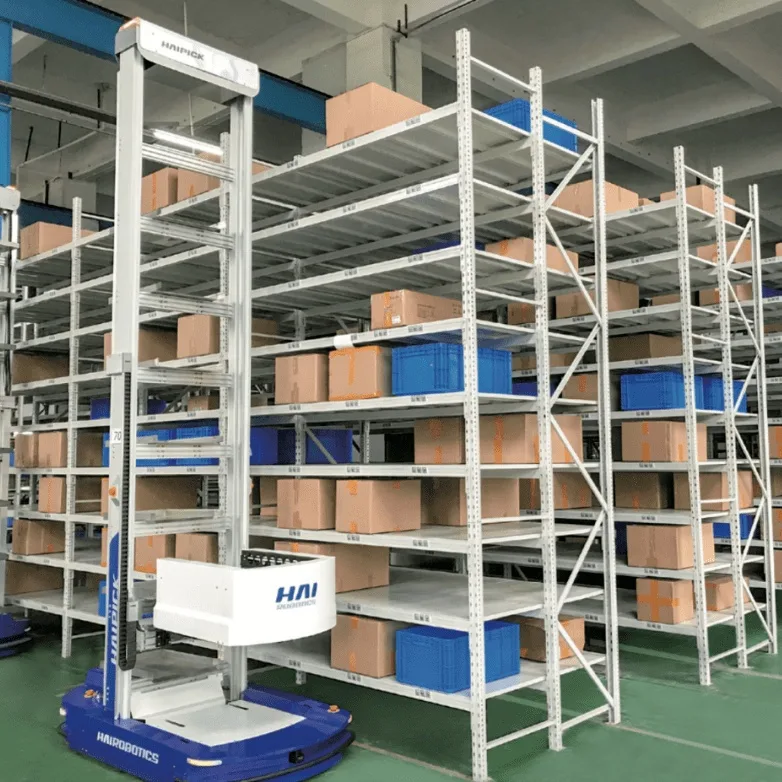
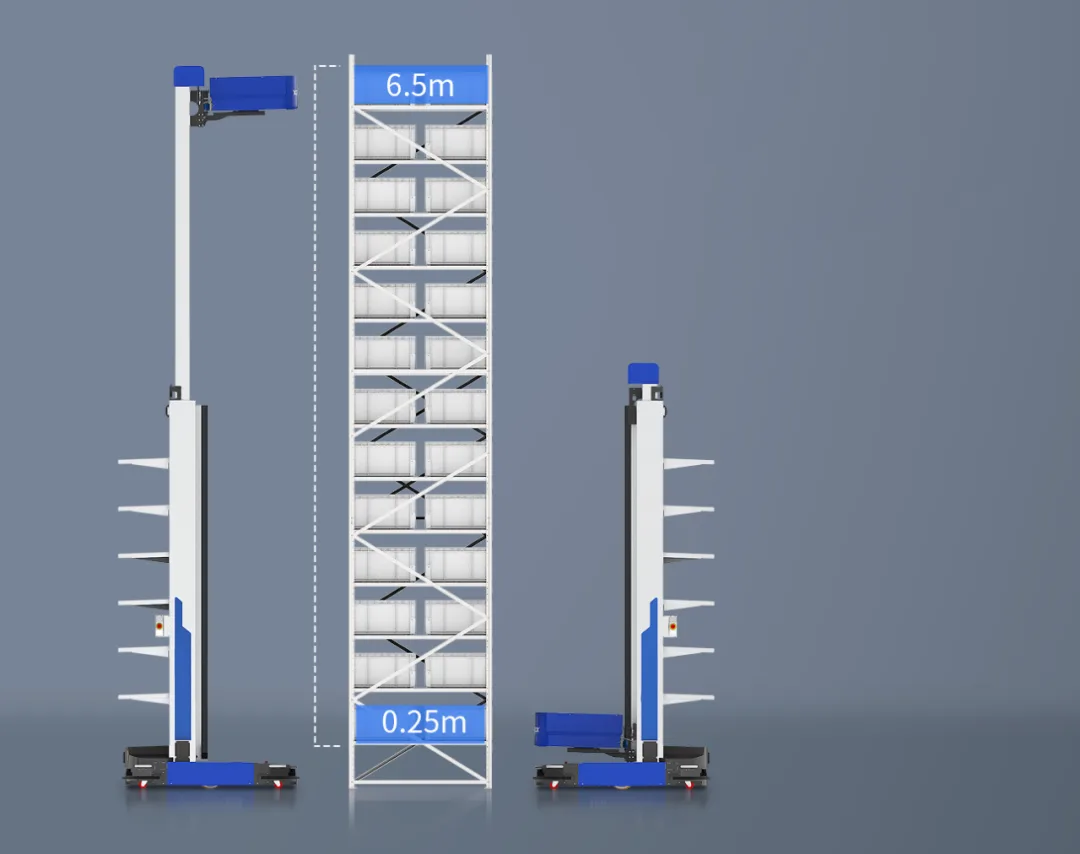
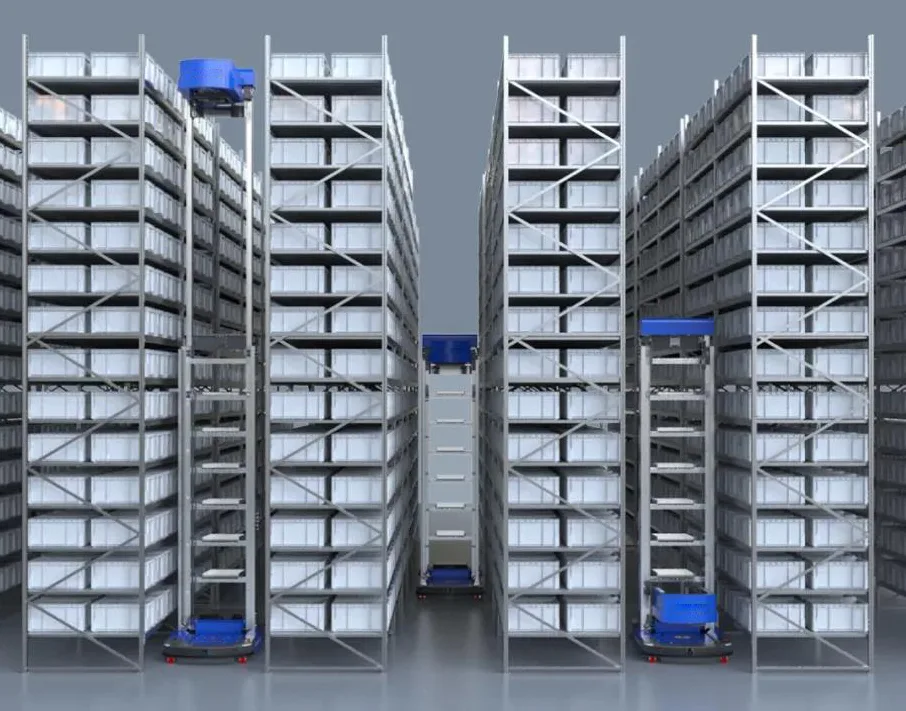
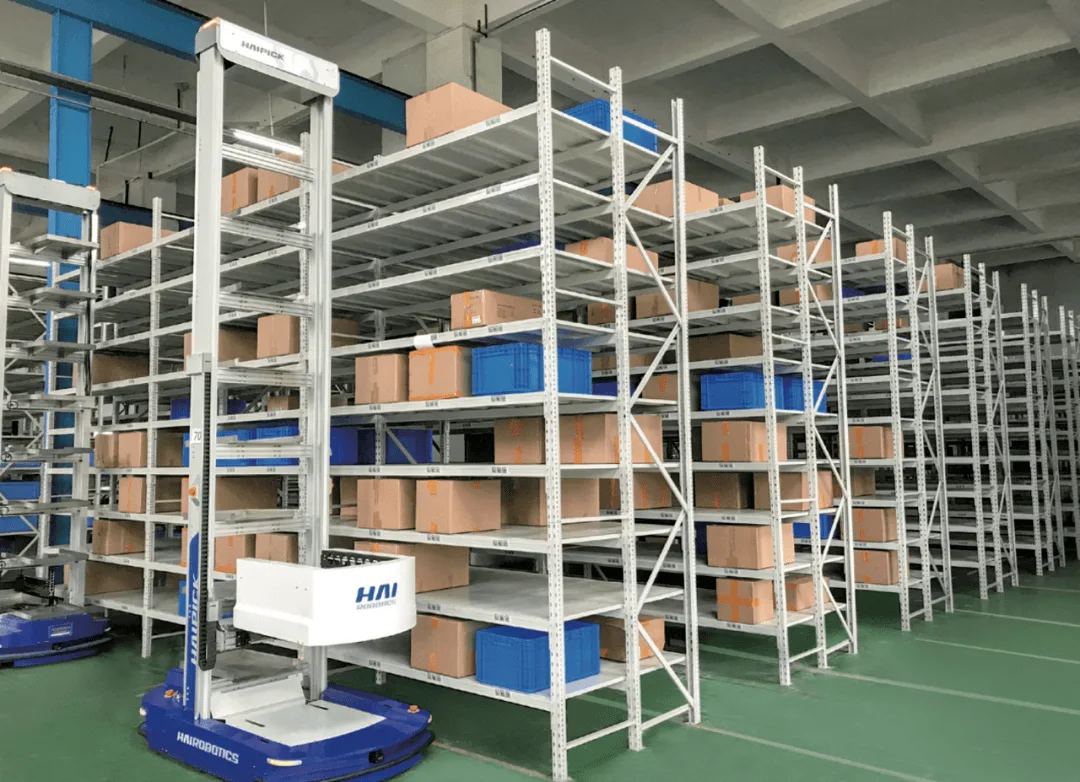
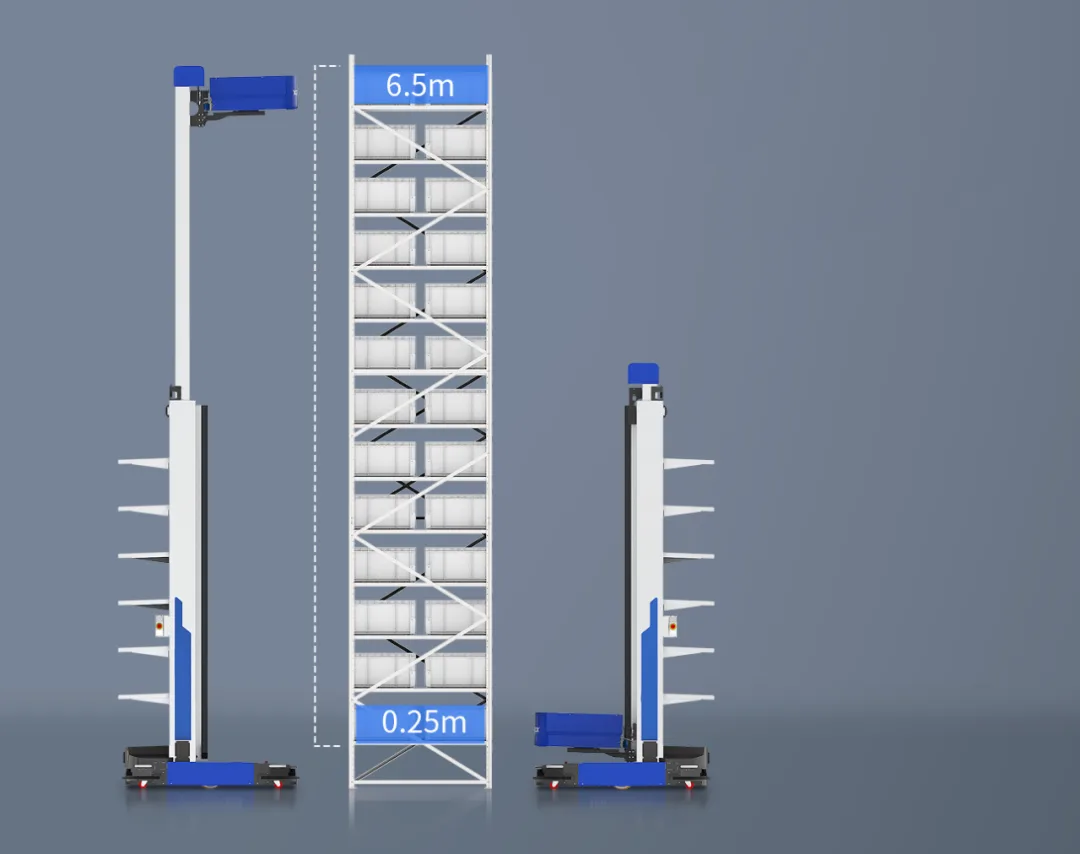
CTU Racking System is a type of automated storage solution designed to work with CTU robots (Carrying Tote Units) in goods-to-person picking operations. Instead of workers walking through aisles to pick items, CTU robots transport racks or totes directly to picking stations, significantly improving efficiency and reducing labor intensity.
Send Inquiry

Specifications

Figures below are the standard range for this system. Final values are confirmed per project after pallet sizes, load per pallet and clear height are reviewed.

Design basisEN 15512 structural principles, FEM 10.2.02; load capacity verified per project
Description
Products Description

CTU Racking System is a type of automated storage solution designed to work with CTU robots (Carrying Tote Units) in goods-to-person picking operations. Instead of workers walking through aisles to pick items, CTU robots transport racks or totes directly to picking stations, significantly improving efficiency and reducing labor intensity.

CTU racking systems are commonly used in e-commerce fulfillment centers, electronics warehouses, pharmaceutical storage, and retail distribution centers. They are especially suitable for operations that handle a large number of SKUs with high picking frequency.
CTU racking

Key Features

1. Goods-to-Person Operation

CTU robots automatically move racks or totes to operator stations, reducing walking time and increasing picking efficiency.

2. High-Density Storage

Multi-level rack design allows for compact storage and better space utilization compared to traditional shelving systems.

3. Modular Design

The system can be easily expanded by adding more racks or robots as business needs grow.

4. Intelligent Control

Integrated with Warehouse Management Systems (WMS) and Warehouse Control Systems (WCS) for real-time inventory tracking and optimized task scheduling.

5. Improved Accuracy

Automated delivery of totes reduces human error and improves order fulfillment accuracy.

Main Components

A typical CTU racking system includes:

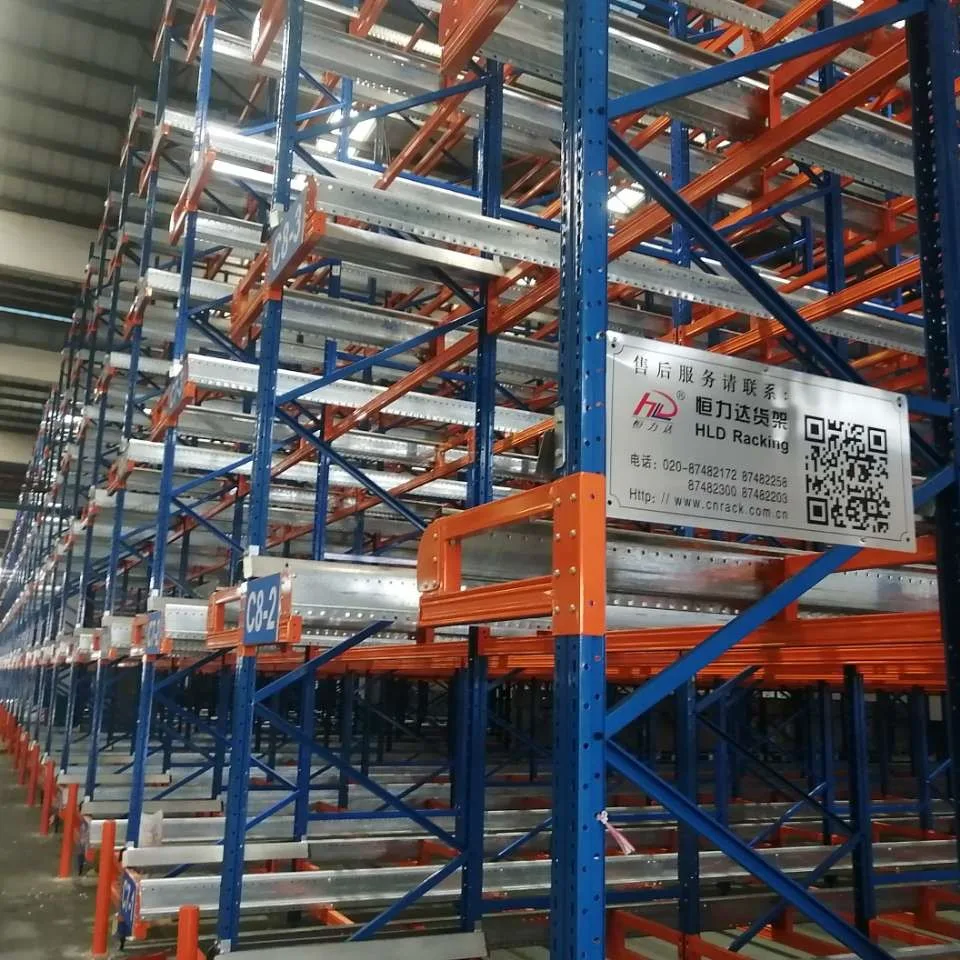
Steel rack structure

Plastic totes or bins

CTU mobile robots

Picking stations

WMS (Warehouse Management System)

WCS (Warehouse Control System)
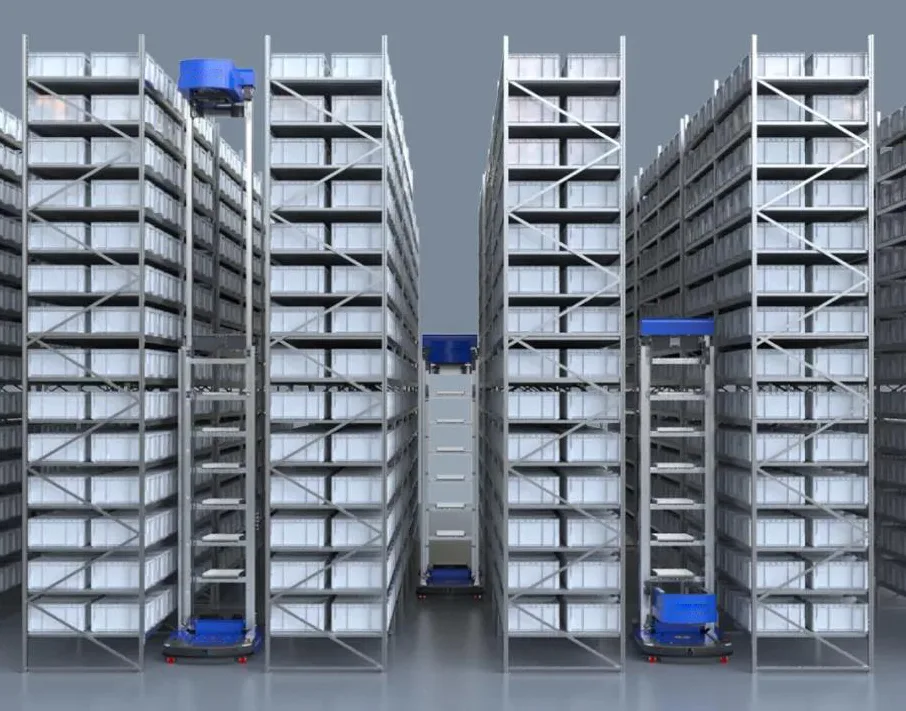
CTU racking

Benefits

Faster order fulfillment

Reduced labor costs

Higher storage density

Improved inventory accuracy

Scalable automation solution

Typical Applications

CTU racking systems are ideal for:

E-commerce fulfillment centers

3PL warehouses

Retail distribution centers

Pharmaceutical storage

Electronics and spare parts storage

Why Choose a CTU Racking System?

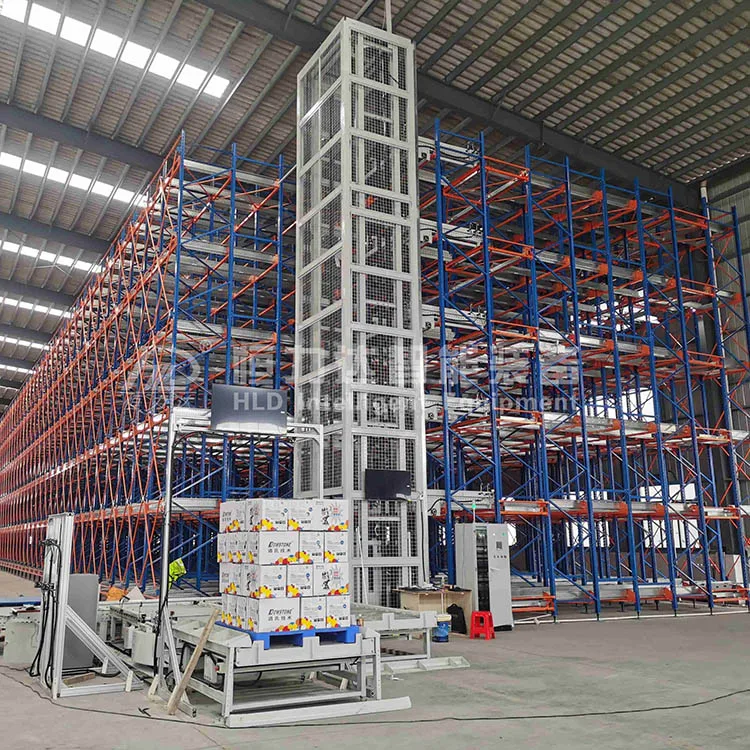
For warehouses dealing with high order volumes and diverse product ranges, CTU racking systems provide a flexible and efficient automation solution. By combining intelligent robots with optimized rack design, businesses can improve productivity while maintaining accurate inventory control.
Frequently asked questions

What load can each level carry?

Capacity is engineered per project, because it depends on the beam span, the upright section and how the pallet sits on the beams. For this product range the standard figure is 500–4,000 kg per level; anything outside that range is calculated case by case. Send us the pallet size and load per pallet and we will confirm the figure for your bay.

Can beam levels be adjusted after installation?

Yes. Beams sit in punched slots along the upright, normally on a 50 mm pitch, so a level can be moved without replacing the frame. The load rating has to be re-checked against the new span before the level is reloaded — never change a beam position without confirming the capacity for that configuration.

Which standards is the system designed to?

Design follows the principles of EN 15512 (steel static design) and FEM 10.2.02, with tolerances and clearances taken from EN 15620 and inspection/maintenance guidance from EN 15635. For North American projects we work to RMI/ANSI MH16.1. Load capacities are verified for each project rather than published as a single blanket rating.

Do you provide layout drawings and load calculations?

Yes. Send the floor plan (or just overall dimensions), pallet size, load per pallet, required number of positions and available clear height. We return a 2D layout, a 3D view and a beam load table with the quotation, so you can check the design before ordering.

What is the lead time and how is it shipped?

Standard bays are produced in about 15–25 days after drawing approval; large multi-phase projects are scheduled by delivery phase. Racking ships knock-down in containers, FOB or CIF, with marked bundles, installation drawings and an anchor bolt plan included.

Can the racking be extended later?

Yes. It is a bolted modular system: new bays can be added at either end of a row, and existing uprights accept additional beam levels. Expansion keeps the same upright and beam sections, so the added structure matches the original installation.

Designed & manufactured to
  • EN 15512
  • FEM 10.2.02
  • RMI / ANSI MH16.1
  • EN 15635 inspection
  • ISO 9001:2015

Need this system sized for your warehouse?

Send pallet size, load per pallet and clear height — we reply with a layout, a load table and a price.

whatsapp

Email

Inquiry

Send the bay size, the load per level and the destination port — a layout and a budget price come back on the same thread.