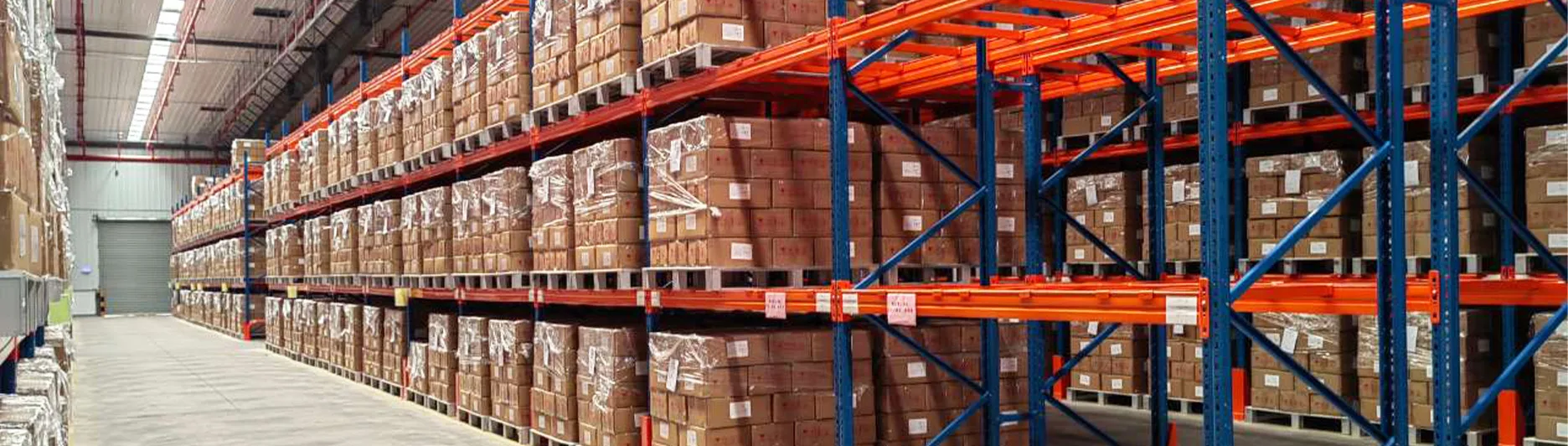
How to Choose Pallet Racking for a Warehouse
When choosing pallet racking,you cannot consider storage capacity alone.Pallet dimensions,load capacity,the number of SKUs(stock keeping units),picking frequency,and warehouse space all affect which racking system is more suitable.
Before making a decision,consider the following five key factors.
1.Confirm Pallet Dimensions and Load Requirements
Verify pallet dimensions,fully loaded weight,and the total number of pallets.These data determine beam dimensions,upright specifications,and the number of storage levels.
For heavy-duty racking,structural calculations must be based on actual load requirements and storage conditions.Never apply standard specifications directly without verifying the specific project details.
2.Choose the Right Pallet Racking System
Different racking systems place different emphasis on ease of access and storage density.
Selective Pallet Racking
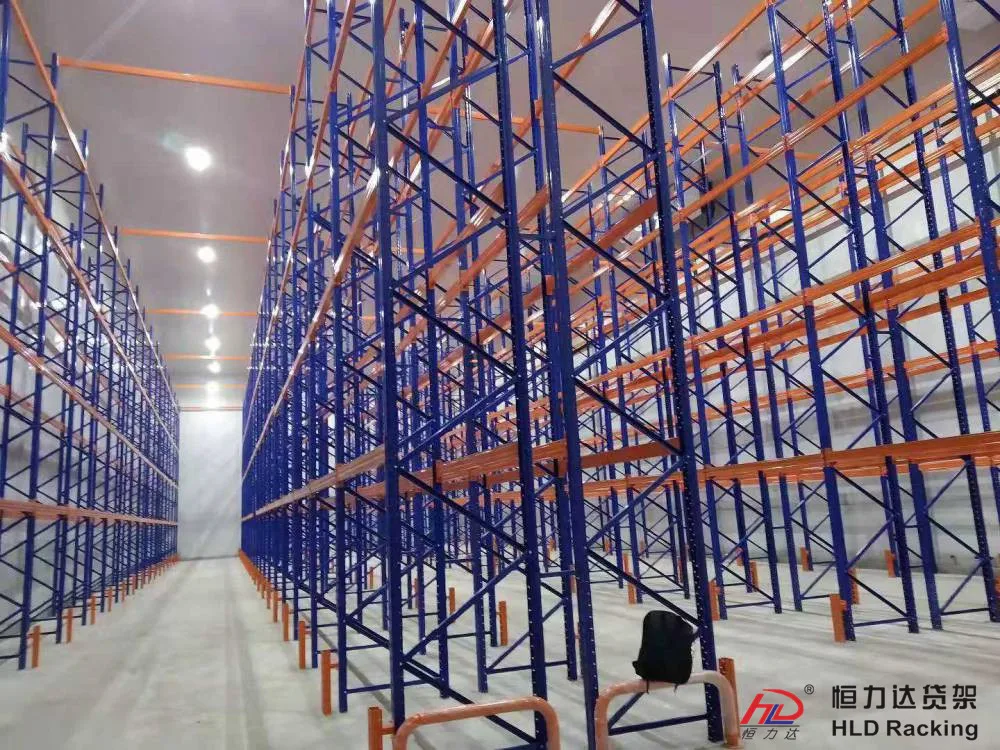
Provides direct access to each pallet.It is suitable for warehouses with a wide variety of SKUs and frequent picking.Its main limitation is the need for larger aisle space.
Drive-In Pallet Racking
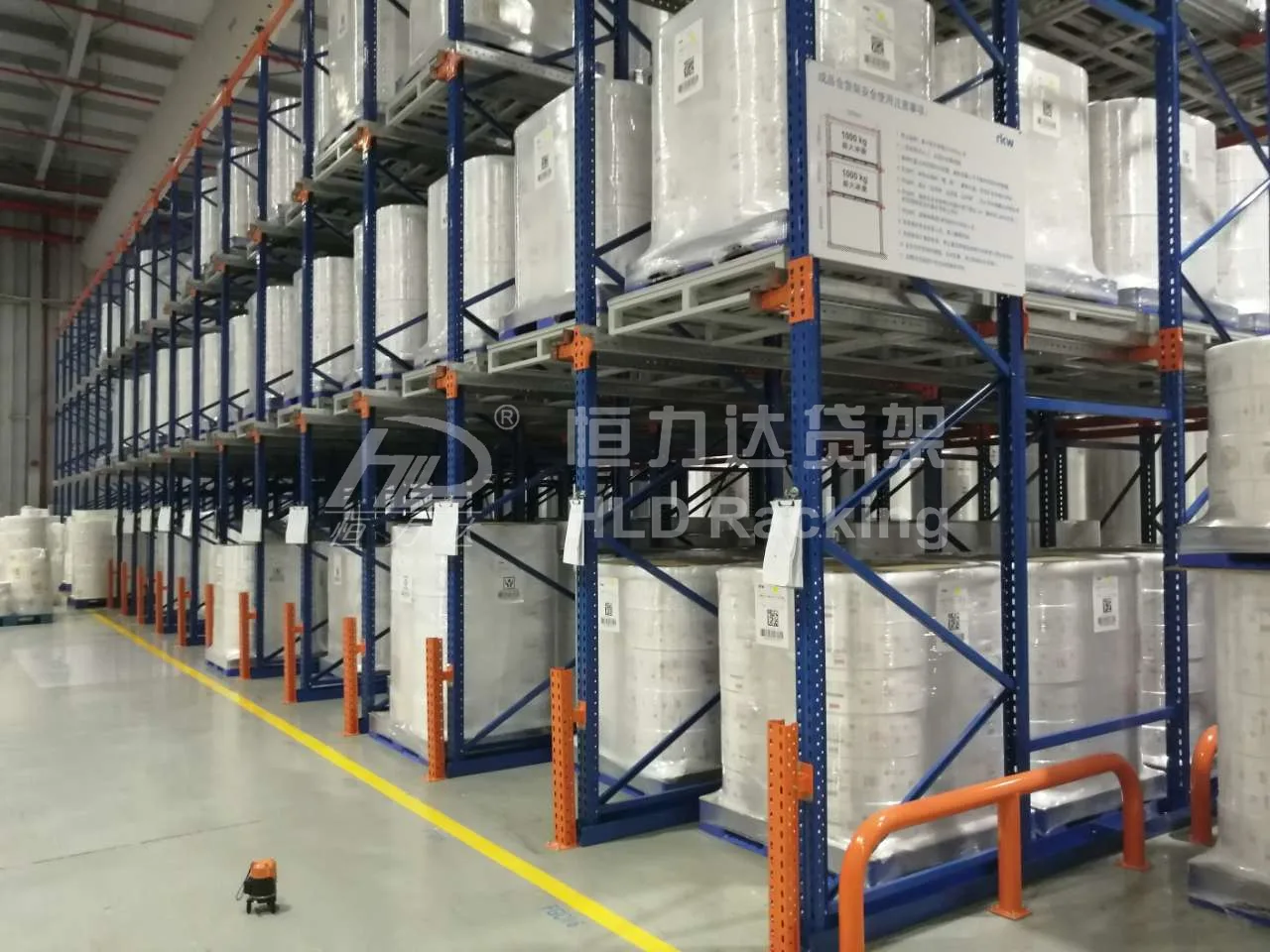
Allows forklifts to enter the racking structure and store pallets in multiple rows from front to back.This system offers high storage density and is very suitable for storing large quantities of the same product,but accessing an individual pallet is relatively inconvenient.
Double-Deep Pallet Racking

Stores two pallets one behind the other,increasing storage capacity while reducing aisle requirements.A dedicated double-deep reach truck is usually required;to retrieve a rear pallet,the front pallet must first be moved.
Shuttle Pallet Racking
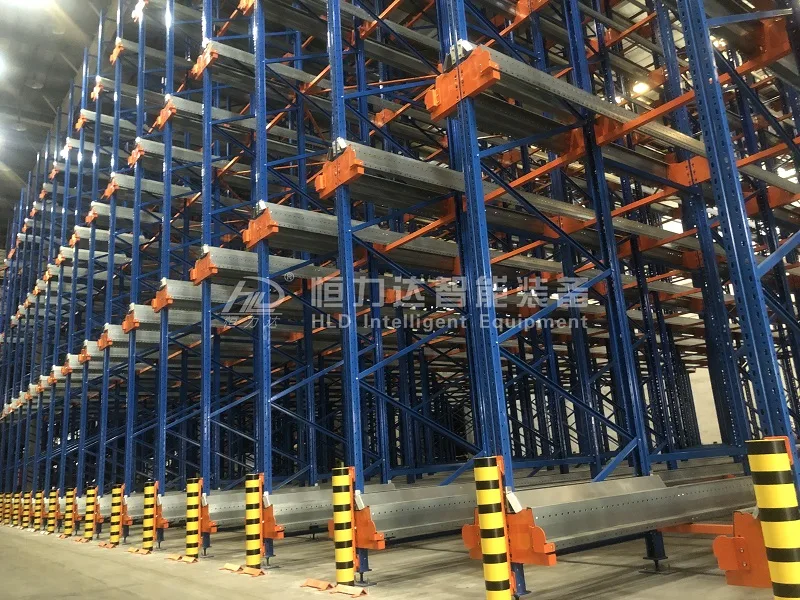
Uses electric shuttles to move pallets within storage lanes.Forklifts operate only at the lane entrance and do not need to enter the racking structure.This system is suitable for high-density storage,especially in cold storage or warehouses handling large-volume goods,where it performs excellently.
3.Evaluate Warehouse Space and Layout
Before choosing a racking system,evaluate the available floor area,ceiling height,column positions,forklift aisles,and fire protection requirements.
Drive-in racking and shuttle pallet racking are suitable for warehouses where storage density is the primary consideration;selective racking is usually more suitable when staff need to frequently access different pallets.
4.Consider Future Storage Needs
Estimate possible changes in inventory,pallet dimensions,and handling equipment.If automated equipment is planned for the future,the racking layout should allow corresponding room for adjustment.If a system only meets current needs,it may require costly modifications as the business grows.
5.Choose an Experienced Pallet Racking Manufacturer
Look for a manufacturer that can provide layout planning,CAD drawings,load calculations,and technical support,rather than merely a supplier of standard racking products.
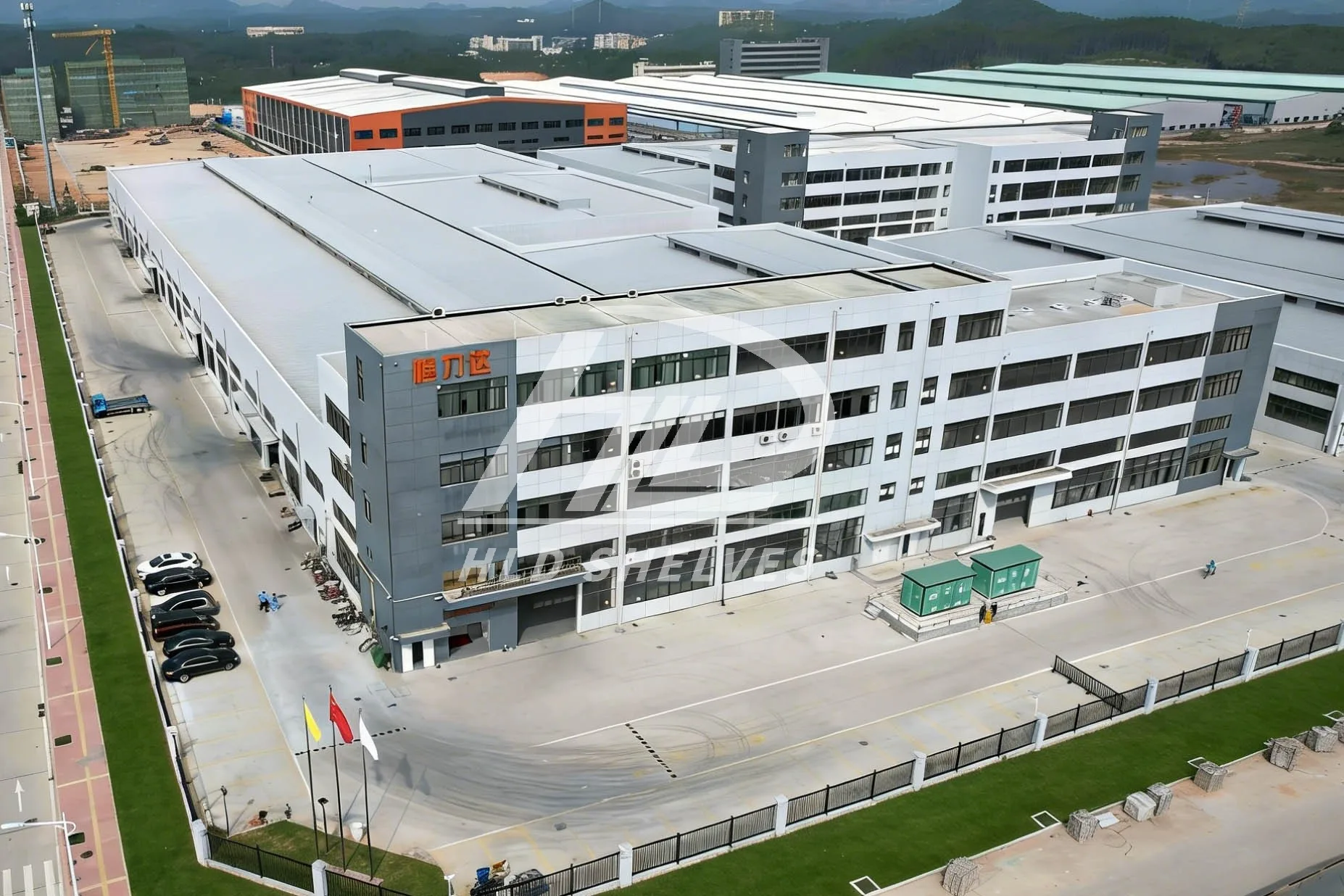
HLD Shelves is a warehouse racking manufacturer based in China with more than 20 years of industry experience.Its product range includes selective pallet racking,drive-in racking,double-deep pallet racking,shuttle pallet racking,and four-way shuttle racking.
HLD Shelves has a 25,000-square-meter production base and projects in more than 100 countries and regions worldwide,and can provide customized racking design and manufacturing services.
You are welcome to contact HLD Shelves for layout suggestions and a customized quotation.
Frequently Asked Questions
1.What are the most common types of pallet racking?
Selective pallet racking,drive-in racking,double-deep pallet racking,and shuttle pallet racking are the most widely used.They differ in storage density and pallet access convenience.
2.Which pallet racking system has the highest storage density?
Drive-in racking and shuttle pallet racking generally have higher storage density than selective pallet racking because they require fewer aisles.
3.What is the load capacity of pallet racking?
It depends on beam specifications,upright frames,racking height,and structural design.Load calculations should be based on actual pallet weight and storage conditions.
4.What information is needed to obtain a pallet racking quotation?
Please provide warehouse dimensions,pallet specifications,pallet load,and required storage capacity.In addition,information such as forklift type and aisle requirements is also helpful.