
Products Description
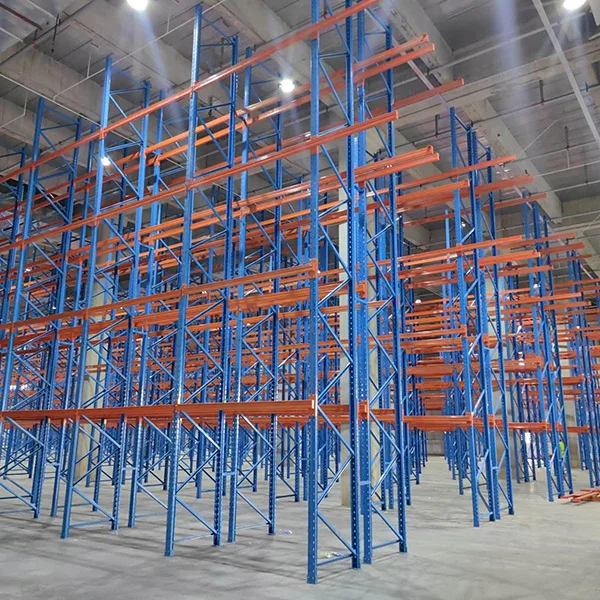
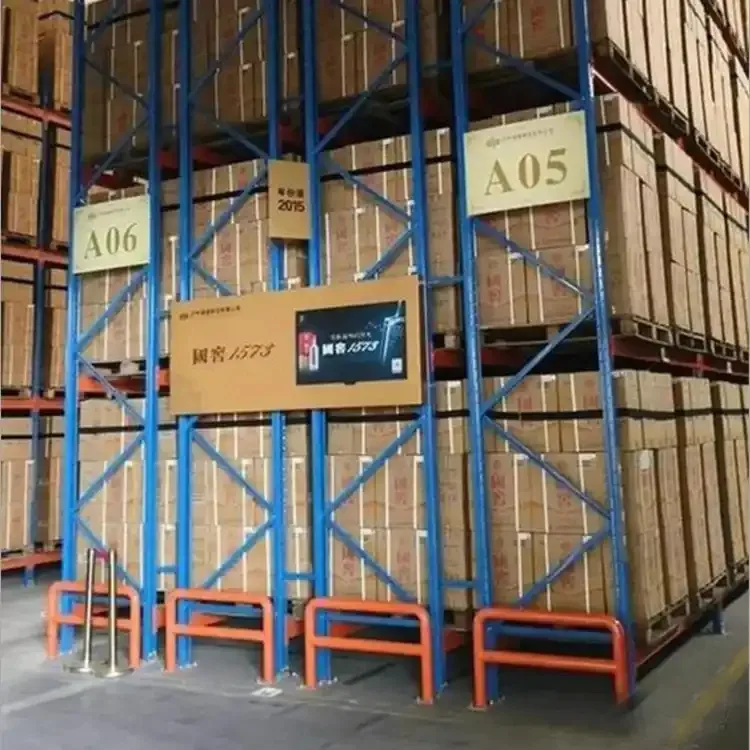
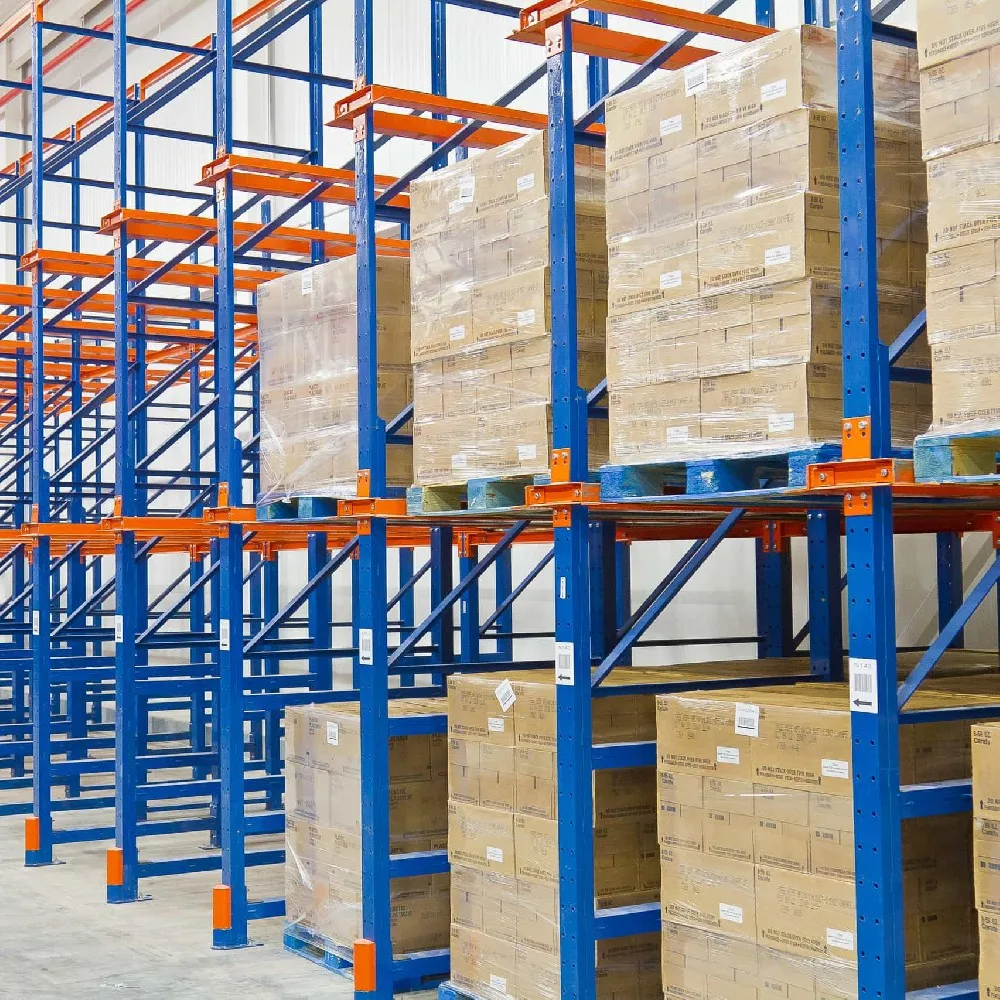
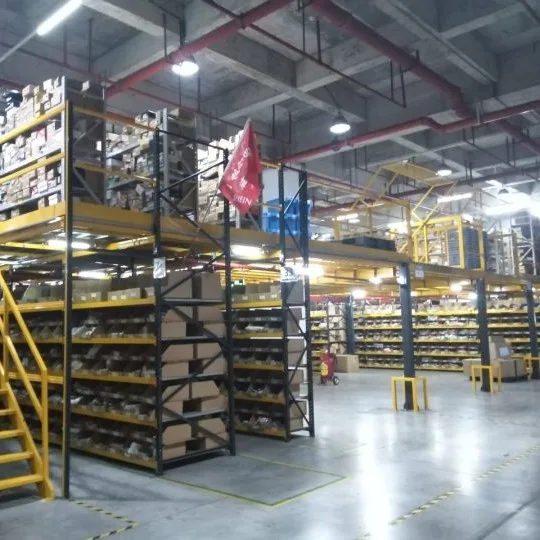
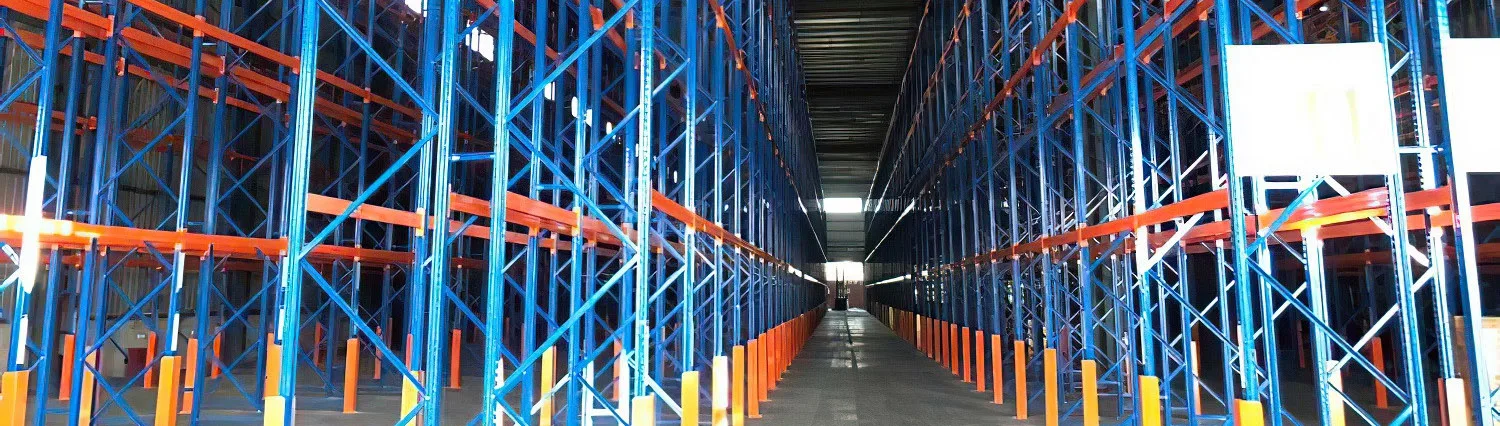
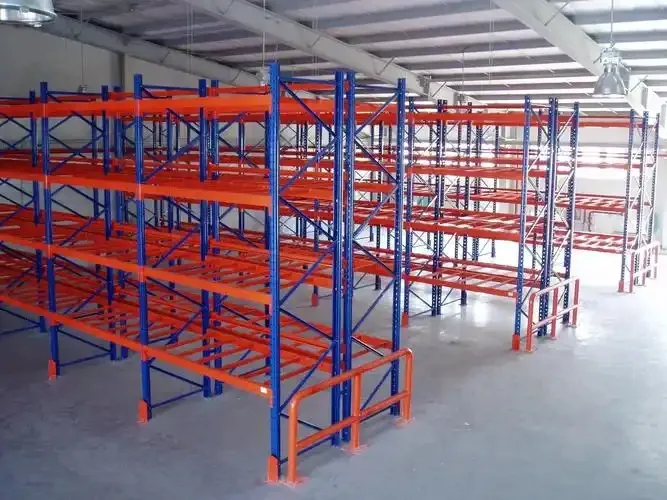
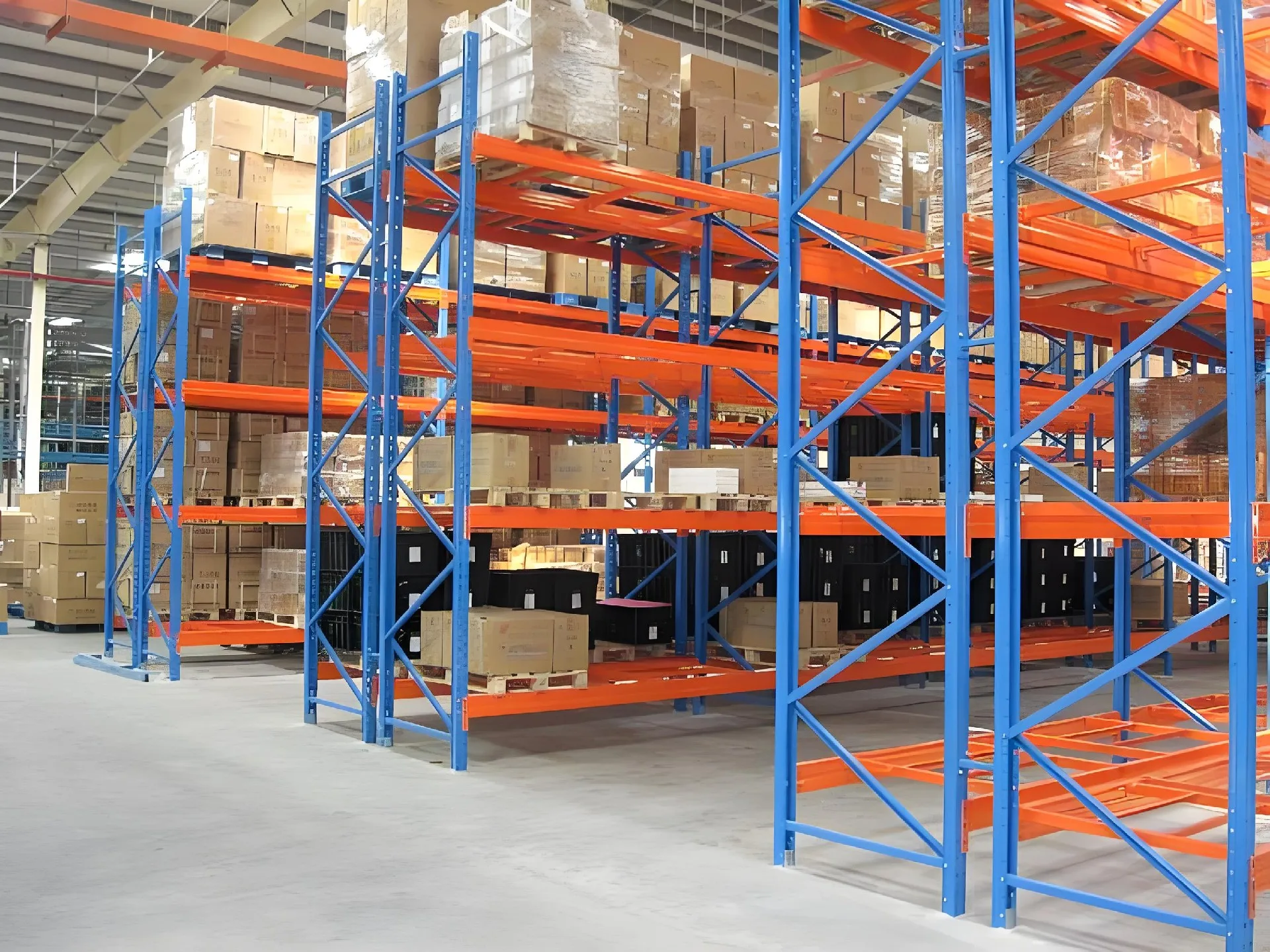
Beam racks, also known as single depth racks or beam pallet racks, are one of the most widely used types of pallet racking systems in warehouses. They are designed to store palletized goods by suspending pallets between horizontal beams, making them suitable for various pallet sizes and weights. As part of our commitment to providing innovative storage solutions, HLD Shelves, based in Guangzhou, offers high quality beam racks as part of our broad product range. Our products are designed to help optimize storage space and improve warehouse operations.
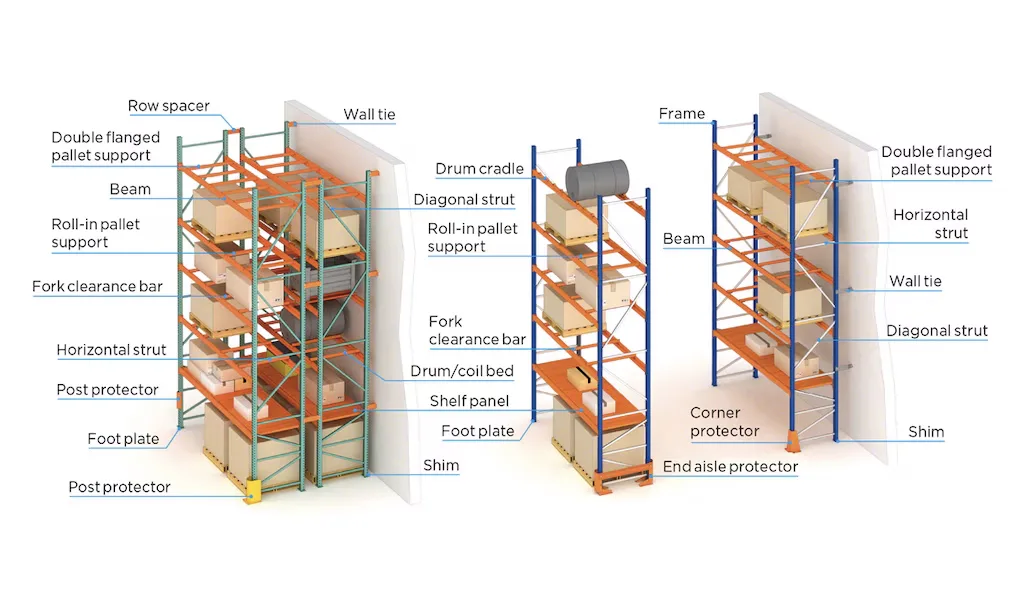
Introduction to Beam Racks
Beam racks store pallets by placing horizontal beams between upright frames. Each pallet has its own dedicated aisle, which ensures easy access to inventory. These racking systems are flexible and can be adjusted in terms of beam height and spacing to accommodate different storage needs. AtHLD Shelves, we offer a range of beam racks tailored to meet the specific requirements of your warehouse.
Features
1. High Load Capacity: Beam racks are designed to support heavy loads. The load capacity of each beam depends on the material, design, and span. Steel is the most commonly used material, known for its excellent load bearing properties.
2. Simple Structure and Easy Installation: Beam racks feature a straightforward design that makes them easy to install and dismantle. They can be customized in terms of height and spacing to fit the needs of different types of goods.
3. Adaptability: These racks can store goods of various sizes and weights. By adjusting the beam spacing, they can accommodate both standard and non standard pallets.
4. Lower Space Utilization: Compared to high density racking systems, beam racks offer lower space utilization. Each pallet requires a dedicated aisle, which takes up more aisle space.
Advantages
1. Flexibility: Beam racks can be adjusted to store different pallet sizes and weights. The beam spacing can be customized to fit specific storage needs.
2. Ease of Management: With independent aisles for each pallet, beam racks allow for quick and easy access, improving inventory management and operational efficiency.
3. Simple Installation: Beam racks are easy to install and dismantle, making them ideal for warehouses with changing inventory requirements.
4. Cost Effective: Compared to high density storage systems, beam racks require lower upfront investments and have lower maintenance costs.
Applications
Beam racks are ideal for warehouses that require frequent access to different types of products. They are commonly used in the following scenarios:
Standard Pallet Storage: Perfect for storing standard sized pallets.
Multiple Product Types: Beam racks offer flexibility in storing products with various sizes and weights.
Low Turnover Goods: Beam racks are suitable for low turnover products, although they have a lower space efficiency compared to high density racking systems.
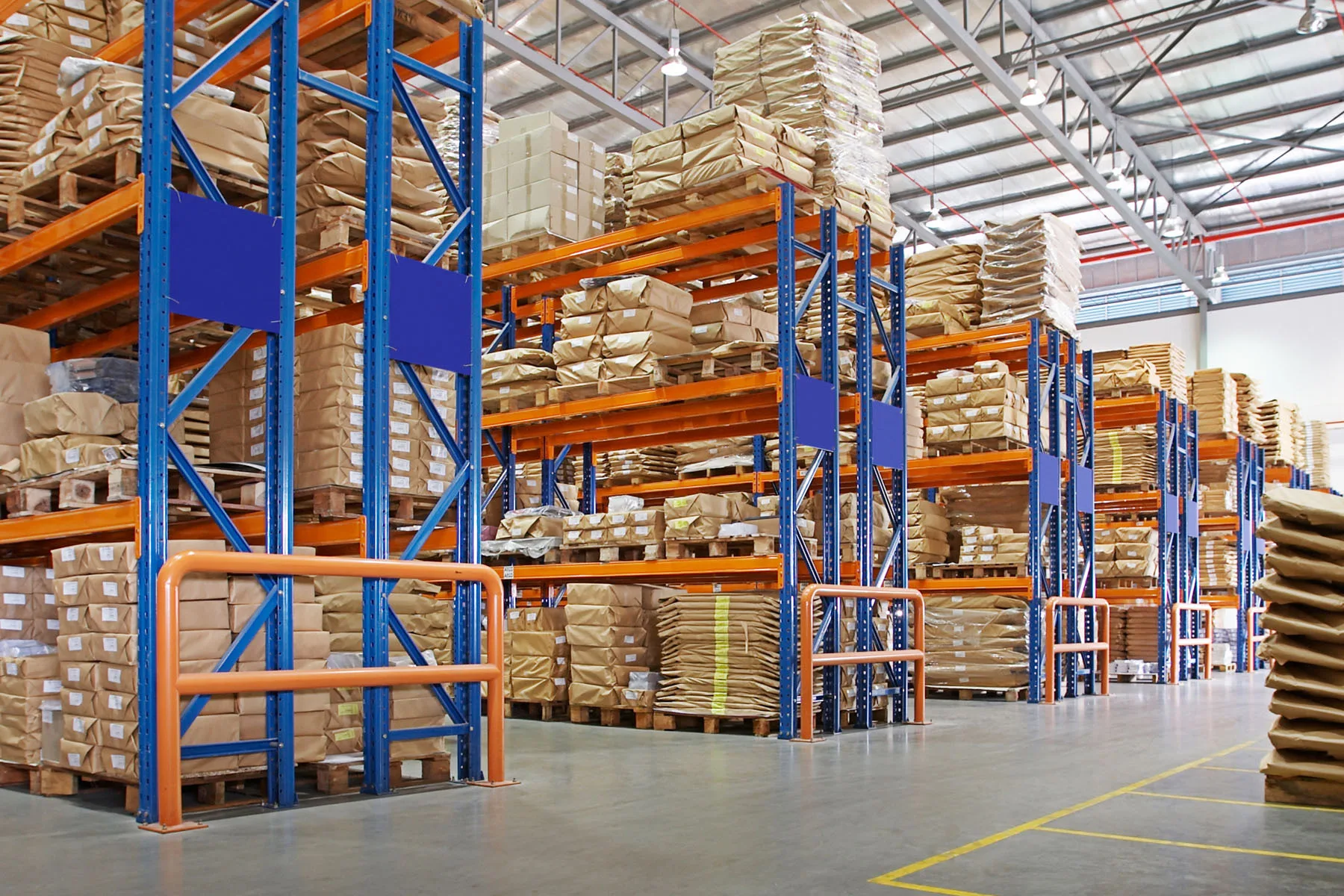
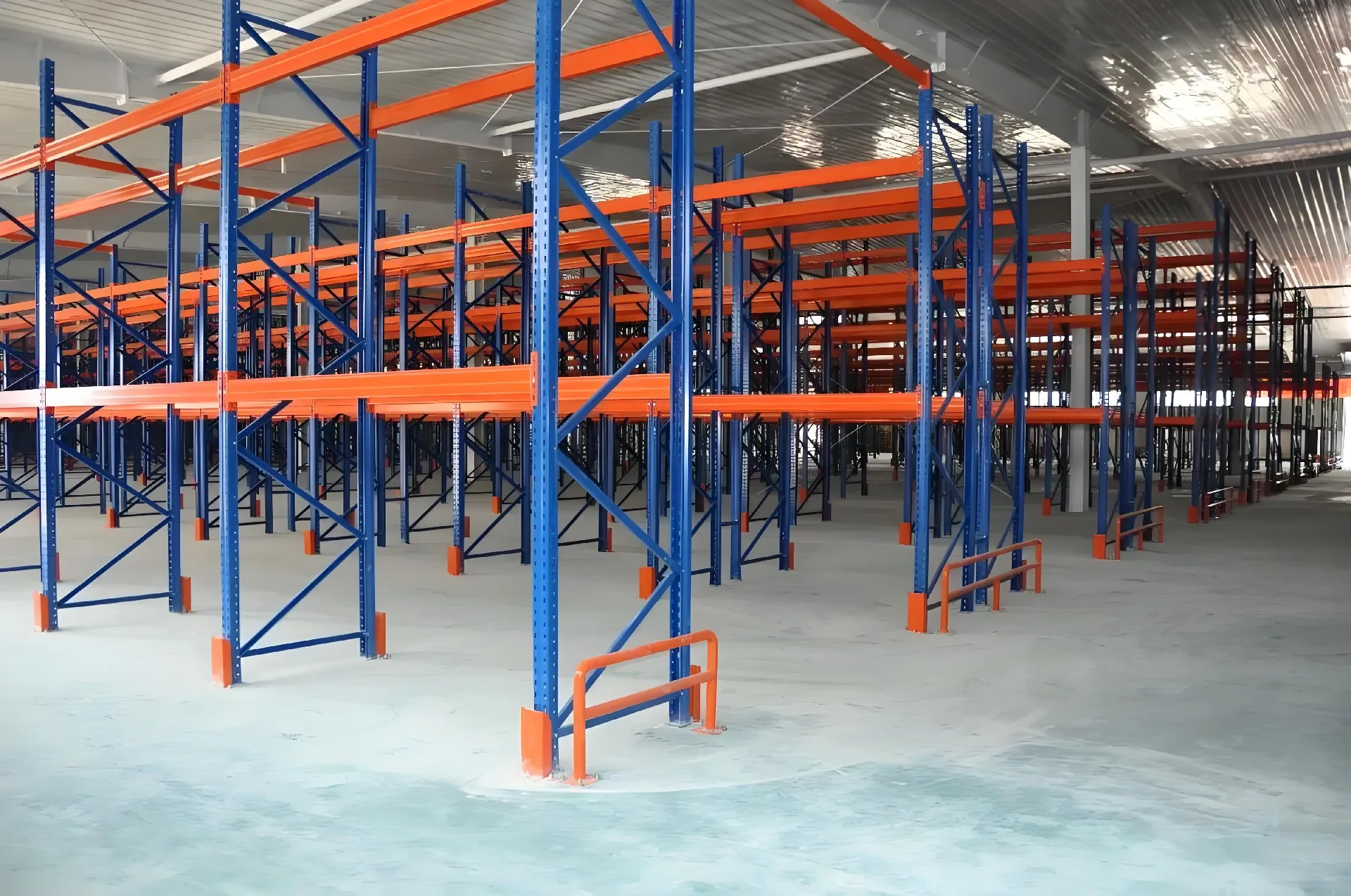
Technical Parameters
1. Beam Load Capacity: The load capacity of the beams is influenced by the material, design, and span. Standard steel beams can support between 1,000 to 2,500 kg. Depending on the model, beam capacities can range from 3,000,5,000,to 7,000 lbs(1,361,2,268,3,175 kg).
2. Upright Load Capacity: The load capacity of upright frames typically ranges from 12,000 to 18,000 lbs(5,400 to 8,100 kg).Custom designs are available based on specific warehouse needs.
3. Layer Height: The height between layers can be adjusted based on the goods being stored. Standard spacing ranges from 2,000 to 3,000 mm, with adjustments possible for specific products.
4. Rack Width and Depth: Standard rack widths are typically 2,400 mm or 3,000 mm, with depths ranging from 800 mm to 1,200 mm. Custom widths and depths can be designed to meet the requirements of your warehouse.
HLD Shelves's Beam Rack Solutions
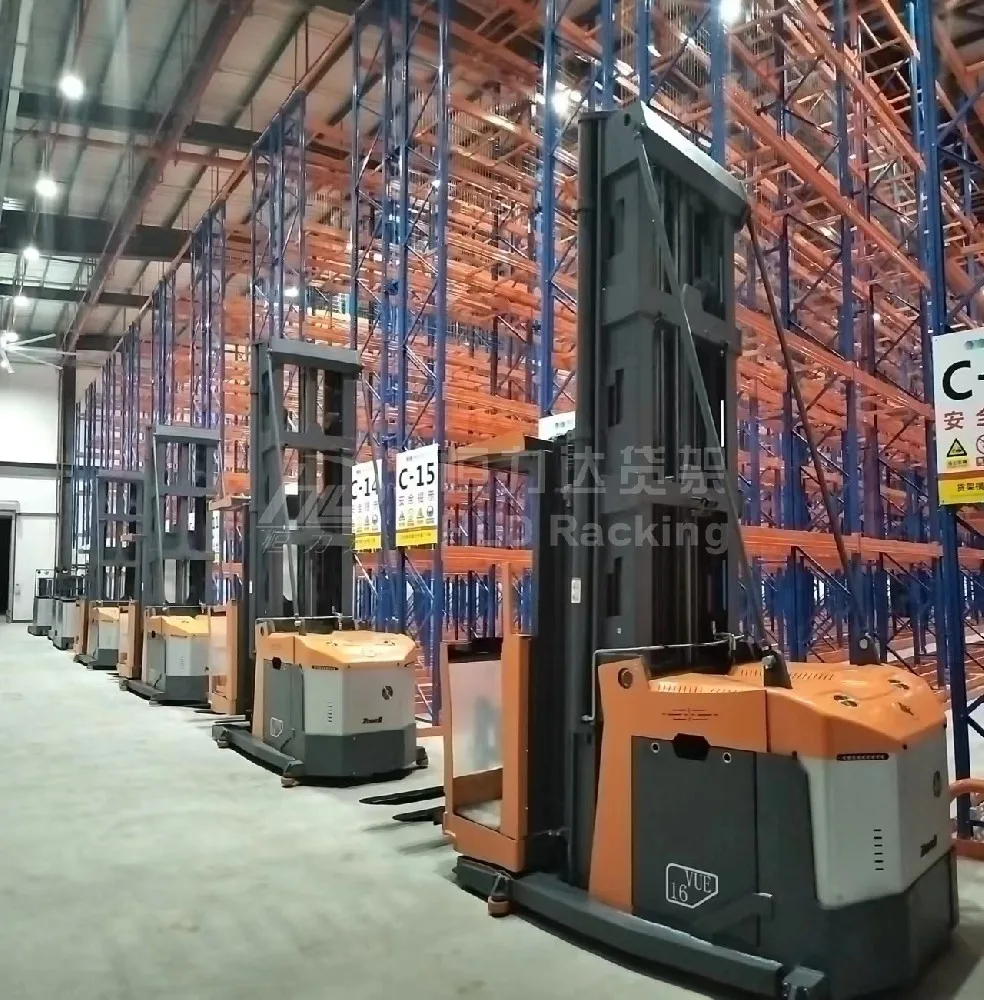
As part of our comprehensive warehouse solutions, HLD Shelves provides a variety of racking systems, including Beam Racks ,Double deep racks, Very Narrow Aisle racks, and more. We are committed to offering solutions that improve space utilization and operational efficiency. Our beam racks are designed for easy installation and can be tailored to fit the specific needs of your warehouse.
Whether you're looking to optimize your current warehouse setup or design a completely new storage system, HLD Shelves is here to help with our expert team and advanced manufacturing capabilities. Explore more about our products and services on our official website:[www.hldshelves.com/](https://www.hldshelves.com/).