
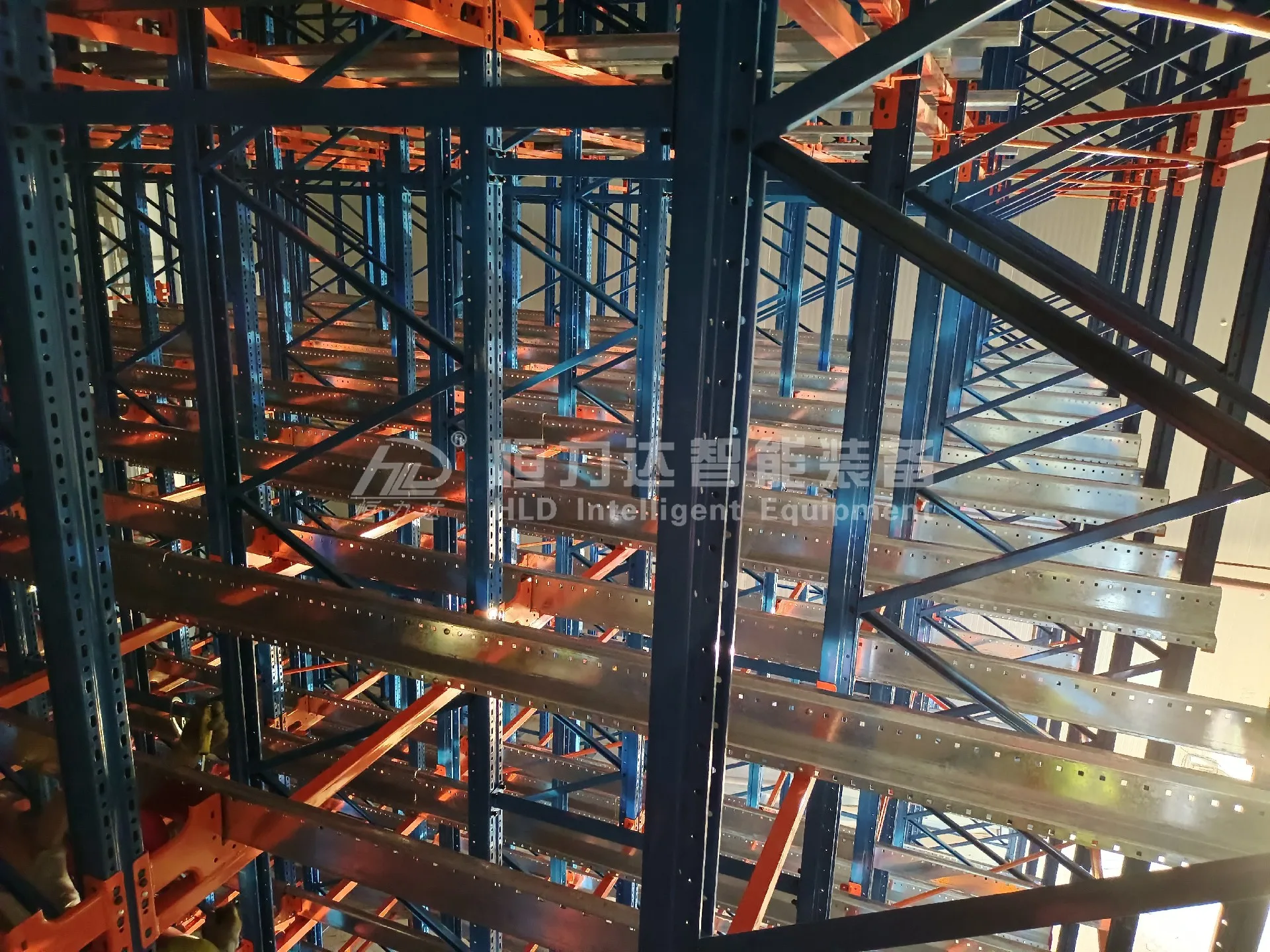
Products Description
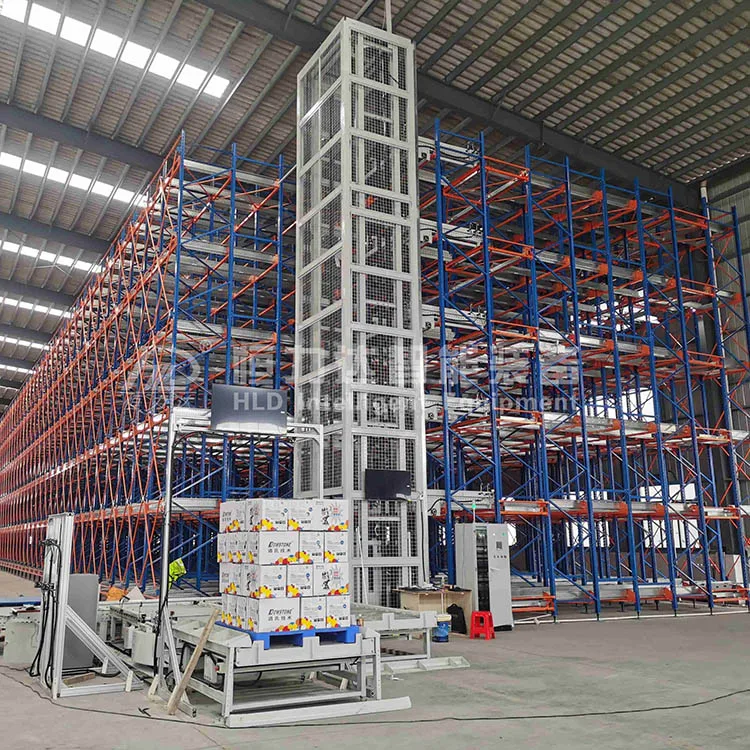
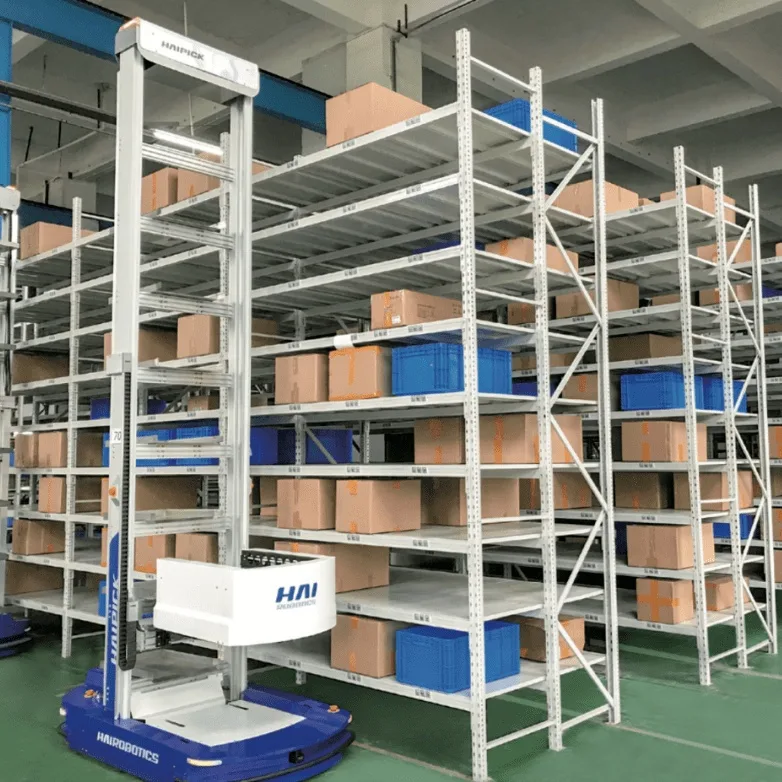
The stacker crane shuttle rack system is a highly automated storage solution that combines the technologies of stacker cranes and shuttle cars, typically used in high density storage warehouses. This system is primarily used for automating the retrieval and storage of goods, optimizing warehouse space and efficiency. It is widely applied in industries with high storage density and high throughput requirements, such as electronics, automotive, food, and pharmaceuticals.
1. System Components
⑴.Stacker Crane
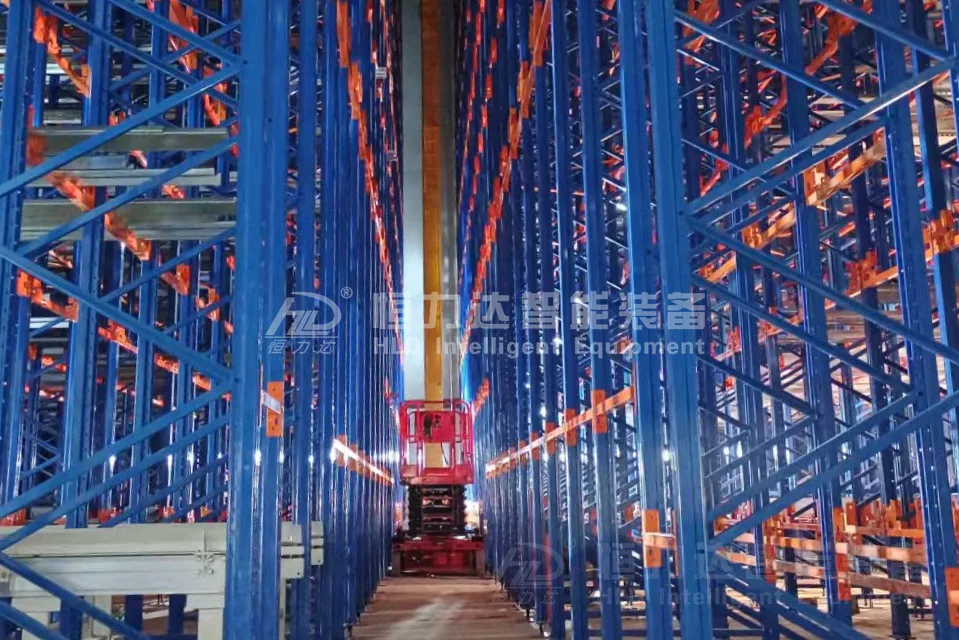
Function: The stacker crane is responsible for the vertical retrieval and storage of goods, typically operating along the depth of the warehouse. It works similarly to an elevator, moving goods between different levels of the racks.
Operation: The stacker crane lifts and lowers goods from the ground or lower storage layers to upper levels or retrieves goods from upper layers and moves them to the designated pickup area.
Characteristics: Stacker cranes generally have a high load capacity and fast vertical travel speed, significantly improving the speed of storage and retrieval operations.
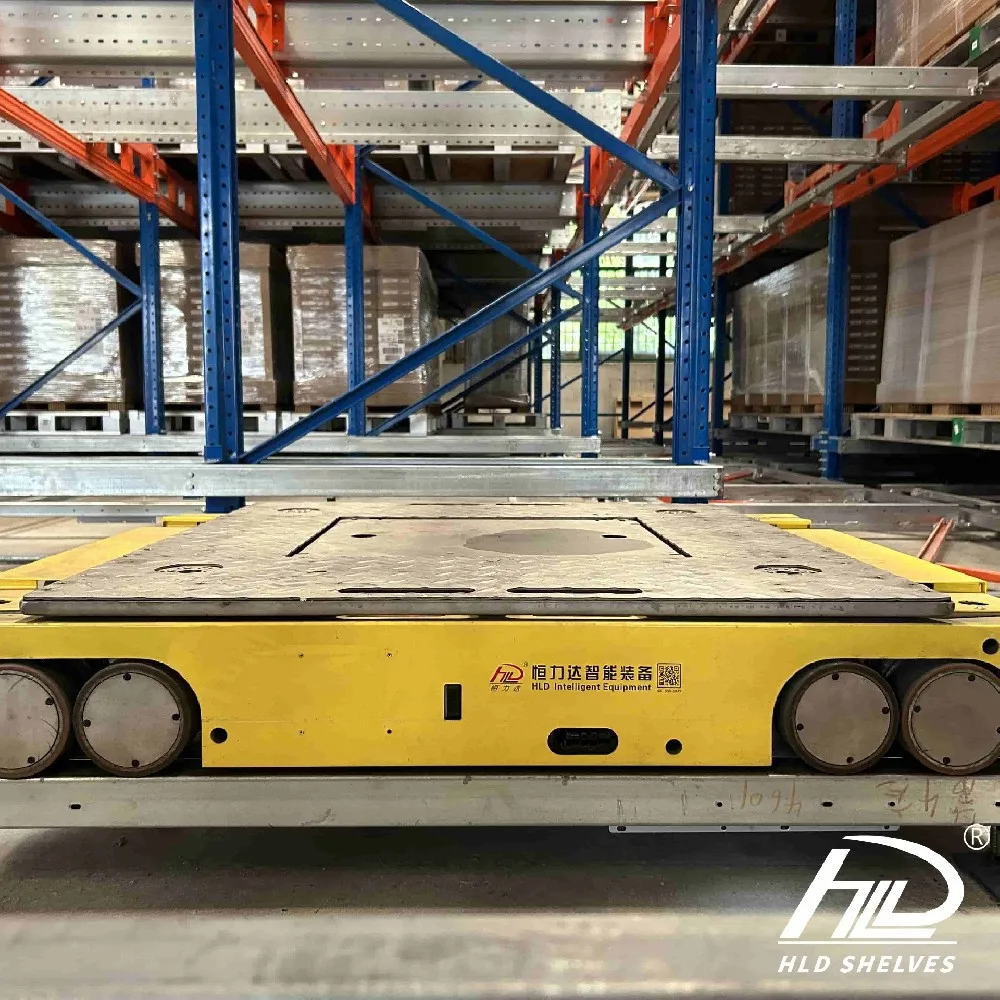
⑵.Shuttle Car
Function: The shuttle car operates along horizontal tracks within the warehouse, transporting goods retrieved by the stacker crane to the correct storage location or moving goods from the storage location to the stacker crane.
Operation: The shuttle car moves along horizontal tracks between deep storage aisles, quickly performing storage and retrieval tasks.
Characteristics: Shuttle cars allow for operations in deep storage aisles, improving the space utilization of the warehouse while minimizing the need for manual labor.
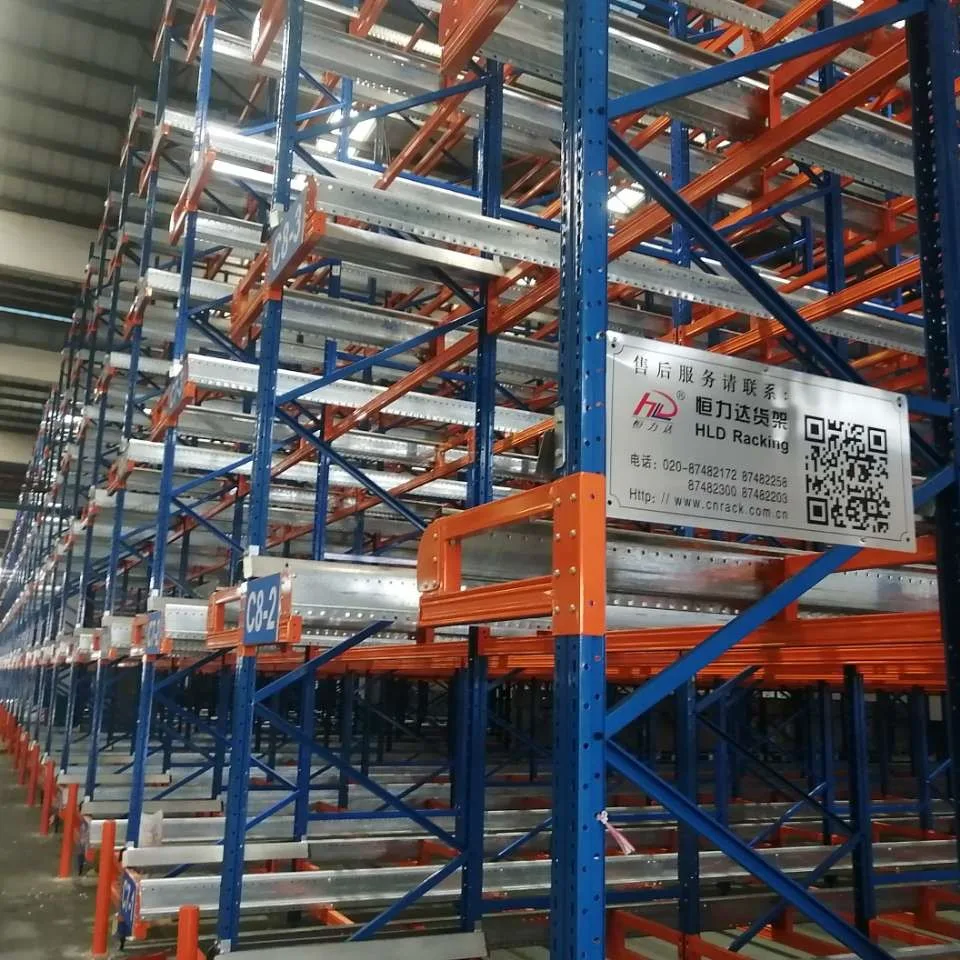
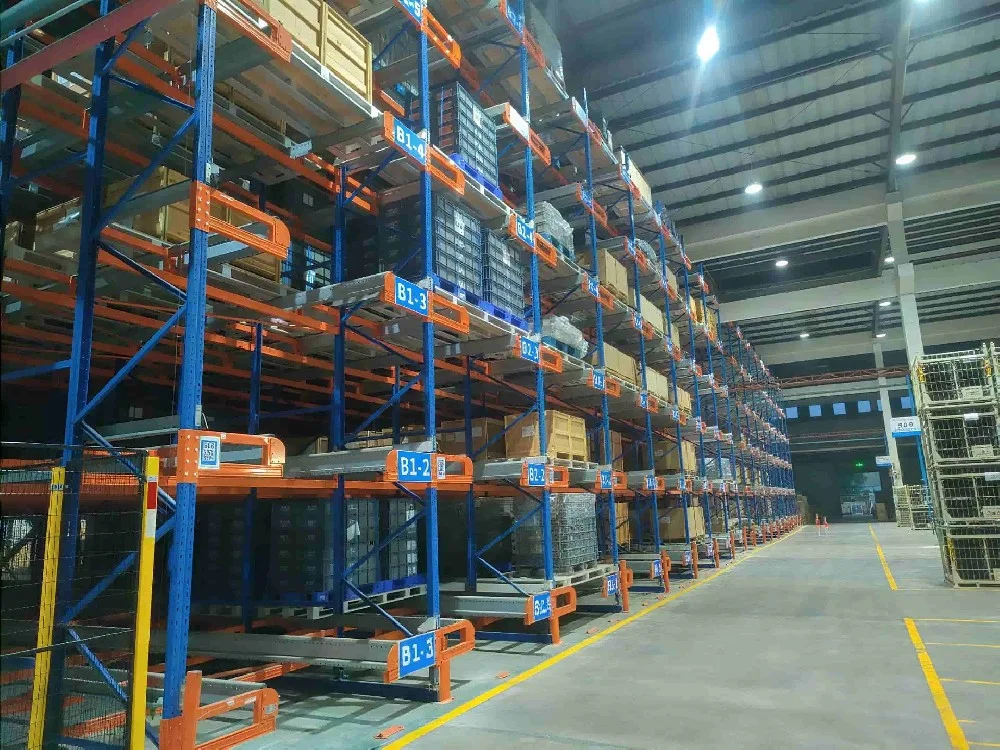
⑶.Racking System
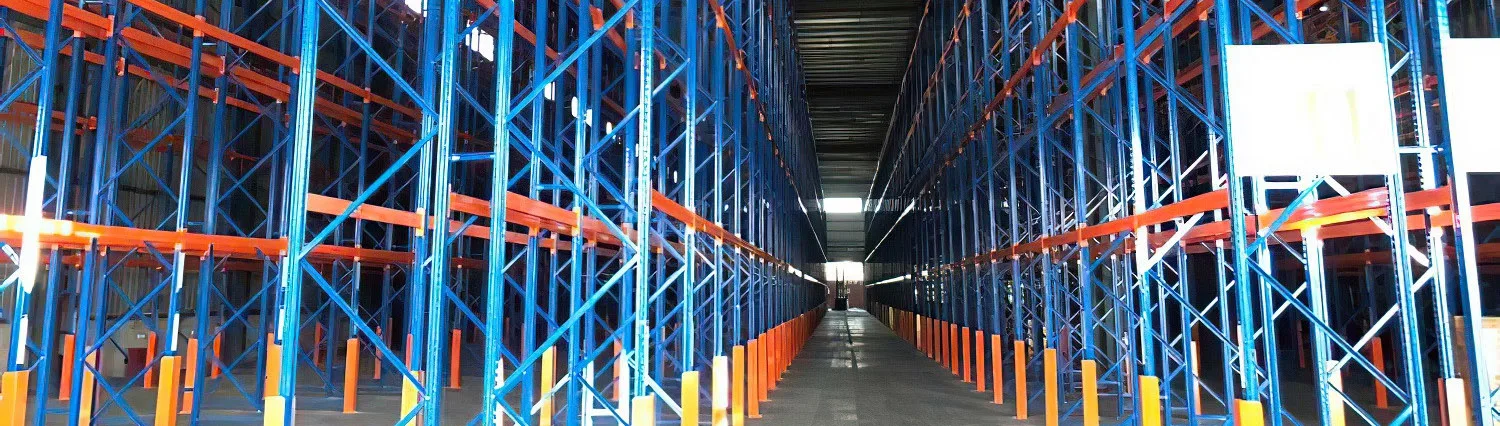
Function: The racking system is the foundation for the operation of stacker cranes and shuttle cars, utilizing a multi tier structure to store more goods in a limited space, greatly increasing storage density.
Types: Common racking types include beam racks, through racks, dense storage racks, and mezzanine racks, which can be selected based on the specific storage needs.
Characteristics: This type of structure significantly saves on floor space and is especially suitable for large volume, high density storage.
⑷.Control System (WMS/WCS)
Function: The control system is the"brain"of the stacker crane shuttle rack system, responsible for scheduling the operations of the stacker crane and shuttle cars and managing inventory through the Warehouse Management System (WMS).
Operation: The system uses computer programs to control the movements of the stacker crane and shuttle car, providing real time updates on inventory data and optimizing storage paths.
2. Workflow
⑴.Inbound Process
Goods are delivered to the storage entrance of the stacker crane via automated conveyor systems.
The stacker crane moves vertically to the designated shelf level and stores the goods.
If the goods are placed in deep aisles, the shuttle car moves the goods to the designated aisle before the stacker crane stores them.
⑵.Outbound Process
According to instructions from the Warehouse Management System (WMS),the stacker crane retrieves the required goods.
If the goods are located in deep storage aisles, the shuttle car first moves them to the outbound area, then the stacker crane picks them up and transports them to the shipping area.
The goods are then conveyed to the shipment area by an automated conveyor system.
⑶.Inventory Management
The system continuously monitors the location and quantity of goods in the warehouse, ensuring inventory accuracy.
The system automatically adjusts storage strategies (such as FIFO, LIFO) to improve inventory management accuracy.
3. Advantages
⑴.High Storage Density
The multi tier racking system increases space utilization, enabling several times more storage than traditional warehouses, which reduces the warehouse footprint.
⑵.Increased Efficiency
The automation of the stacker crane and shuttle car significantly improves the speed of retrieval and storage, reducing manual labor and enhancing operational efficiency.
⑶.Reduced Labor Costs and Errors
Automation reduces the need for manual labor, improving accuracy and decreasing human errors, while also lowering labor costs.
⑷.Flexibility and Scalability
The system can be customized based on actual needs and supports different scales and types of goods. As the business expands, the system can be easily upgraded and expanded.
⑸.Safety
The automation minimizes human presence in the warehouse, improving safety for workers.
4. Applications
⑴.Electronics Industry:Due to the vast quantity and variety of products, the stacker crane shuttle rack system helps manage inventory efficiently, ensuring fast retrieval and shipment.
⑵.Automotive Parts Industry:For industries that require precise and efficient management of large quantities of automotive parts, the automated system helps achieve fine tuned inventory control, reducing errors and inventory backlog.
⑶.Food Industry:The food industry often requires strict temperature control and hygiene, and the automated storage system can be integrated with temperature controlled environments to ensure optimal storage conditions.
⑷.Pharmaceutical Industry:For high value, high demand items like pharmaceuticals, the stacker crane shuttle rack system improves inventory accuracy, reduces spoilage, and ensures safe handling.
5. Conclusion
The stacker crane shuttle rack system is one of the core technologies of modern automated warehousing, offering high efficiency in storage and retrieval, along with high density storage capabilities. By leveraging intelligent control systems, businesses can achieve more efficient, safer, and flexible inventory management.
If your company is interested in implementing or learning more about such a system, we can explore different equipment and solution configurations to meet your specific warehouse management needs, enhancing overall efficiency.